
Nursing Foundation

Overview

The Nursing foundation is dedicated to laying a strong foundation for aspiring nursing professionals. The foundation course is designed to introduce students to the core principles of nursing practice, patient care, and the healthcare system. This early exposure ensures that students develop the confidence, compassion, and competence required to begin their journey in the nursing profession. Our foundation program emphasizes a balanced approach that combines classroom learning with hands-on clinical experience. Students are trained in fundamental nursing techniques, ethical practices, and the importance of patient-centered care.

The curriculum structured for Nursing foundation enables the students to gain Knowledge, Skill and desirable Attitudes in providing nursing care to patients with various illnesses. The subject is focused in I Year (I-Semester & II-Semester) of B.Sc. (N), I Year of P.B.B.Sc., (N).

The course also encourages the development of critical thinking, teamwork, and professional responsibility. Through continuous guidance and support from experienced faculty, students are prepared to progress into advanced areas of nursing education with a strong sense of dedication and purpose, making a meaningful impact in the healthcare sector.

Vision

The Nursing Foundation Department is to cultivate a strong and ethical foundation in nursing practice, shaping students into compassionate, competent, and confident nursing professionals. We aim to inspire excellence in nursing education by integrating fundamental knowledge, practical skills, and values essential for holistic patient care. The department envisions creating a supportive learning environment where students develop a deep understanding of human health, empathy in care, and responsibility in service.

Mission

The Nursing Foundation Department envisions becoming a center of excellence in foundational nursing care, committed to nurturing future nursing professionals who embody clinical competence, ethical integrity, and compassionate care. Our vision is to lay a solid academic and practical groundwork that empowers students to thrive in a dynamic healthcare environment. By fostering innovation, critical thinking, and a culture of lifelong learning, we aspire to produce nursing graduates who will lead with confidence, serve with empathy, and make a meaningful impact on global health outcomes.

Philosophy

The Nursing Foundation Department is rooted in the belief that nursing is both a science and an art, grounded in compassion, critical thinking, and a commitment to holistic care. We believe that every nursing student has the potential to grow into a knowledgeable, skilled, and ethical professional when guided through a strong foundation in theory and practice. Our department upholds the values of respect for human dignity, cultural sensitivity, patient advocacy, and lifelong learning. We are committed to creating a learning environment that fosters intellectual curiosity, clinical excellence, and personal integrity. By integrating evidence-based practice with compassionate care, we aim to develop future nurses who are not only technically proficient but also empathetic and responsive to the needs of individuals, families, and communities. Our philosophy promotes teamwork, leadership, and professional accountability as essential components of quality nursing education and practice.

Core Values

Aims

Objective

At the end of the course, students will be able to

Facilities

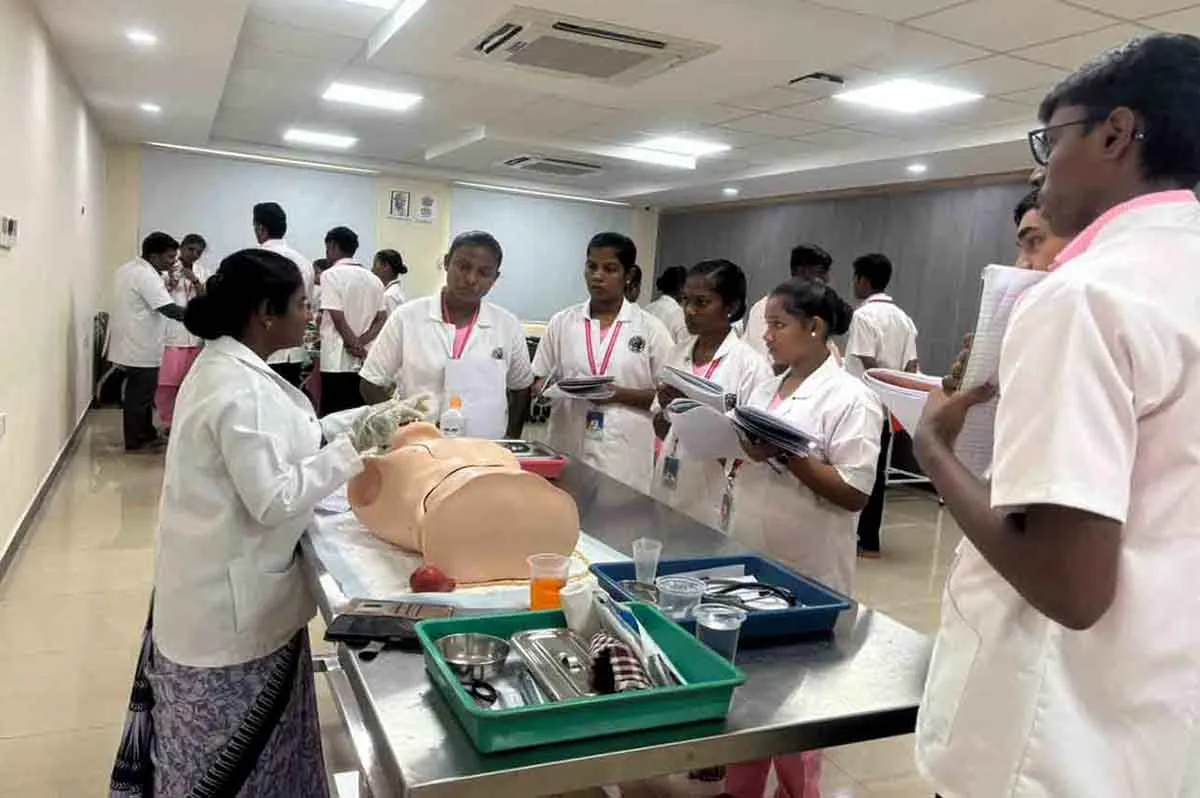
The Nursing Foundation Department is equipped with state-of-the-art facilities designed to provide students with a strong start to their nursing education. Our department includes a well-furnished Nursing Foundation Lab that replicates real hospital settings, allowing students to practice basic nursing procedures in a safe and supervised environment. The lab is equipped with modern hospital beds, mannequins, CPR models, dressing trolleys, IV stands, and other essential nursing equipment that help students gain hands-on experience and confidence in clinical skills.
In addition to the lab, the department offers smart classrooms with audio-visual aids, enabling interactive and effective learning. We also provide access to a nursing skill development center, demonstration areas, and a comprehensive library stocked with standard nursing textbooks, journals, and reference materials. Experienced faculty guide the students through theory and practical sessions to ensure a seamless integration of knowledge and skills. These facilities ensure that students are well prepared to transition into clinical practice and advanced areas of nursing.

Best Practices

Education

1

Simulation-Based Learning

2

Integrated Teaching Methods

3

OSCE for various system assessment

4

Direct patient care

5

Hands-On Skill Development

6

Continuous Assessment and Feedback

7

Mentorship and Faculty Guidance

8

Ethics and Professionalism

9

Clinical Exposure

10

Student-Centered Learning Environment

Thrust Area

Programme Offered

B.Sc. Nursing -Semester Pattern

• Mental Health Nursing I – V Semester
• Mental Health Nursing II – VI Semester

Post Basic B.Sc Nursing

Mental Health Nursing – II Year

M.Sc Nursing

• Specialty I - Mental Health Nursing - IYr
• Specialty II - Mental Health Nursing - II yr

B.Sc. NURSING

Course Outcome – Nursing Foundation – I

  • At the end of the course the B.Sc., (N) Program the graduate nurse will be able to function as a General Nurse practitioner to provide comprehensive care / supervise and train nursing students at various health care settings and educational institutions and adhere to the code of Nursing Ethics.
  • The purpose of this course is to acquire fundamental knowledge and skills required for competent nursing practice.

Learner’s Outcome

S. No. Course Learner’s Outcome
1. Nursing Foundation – I
  1. Define the philosophy, principles, and scope of nursing practice.
  2. Understand the role and responsibilities of a professional nurse in various healthcare settings.
  3. Describe the basic needs of individuals across the lifespan and ways to meet them.
  4. Demonstrate proficiency in fundamental nursing procedures and bedside techniques.
  5. Accurately measure and record vital signs (temperature, pulse, respiration, and blood pressure).
  6. Maintain personal and environmental hygiene for patient safety and comfort.
  7. Practice principles of infection prevention and control using standard precautions.
  8. Apply basic concepts of nutrition and hydration in patient care.
  9. Provide care for elimination needs (urinary and bowel) with dignity and comfort.
  10. Assist patients with mobility, positioning, and activities of daily living.
  11. Perform safe and effective feeding techniques, including oral and tube feeding.
  12. Communicate effectively with patients, families, and healthcare team members.
  13. Maintain accurate and legal documentation in patient care records and reports.
  14. Apply principles of body mechanics to prevent injuries during patient handling.
  15. Exhibit empathy, respect, and culturally sensitive behavior in all patient interactions.
  16. Use observational and reporting skills to detect changes in patient condition.
  17. Recognize and respond appropriately to basic emergency situations (e.g., fainting, bleeding, shock).
  18. Follow ethical, legal, and professional standards in nursing care.
  19. Demonstrate accountability, punctuality, and responsibility in clinical settings.
  20. Integrate theoretical knowledge with practical skills in simulated and real-world nursing environments.

Nursing Foundation – I (Practical)

S. No. Course Learner’s Outcome
1. Nursing Foundation – I (Practical)
  1. Demonstrate proper handwashing techniques and infection control practices.
  2. Perform accurate assessment of vital signs: temperature, pulse, respiration, and blood pressure.
  3. Carry out bed-making procedures (occupied and unoccupied) using aseptic techniques.
  4. Assist patients with personal hygiene including bed bath, oral care, hair care, and perineal care.
  5. Practice safe positioning and turning of patients using proper body mechanics.
  6. Demonstrate the procedure for admission and discharge of patients.
  7. Provide nutritional support including feeding patients orally and via Ryle’s tube (under supervision).
  8. Assist patients with elimination needs using bedpans, urinals, and catheter care.
  9. Apply clean and sterile dressing techniques to wounds.
  10. Provide care during fever using tepid sponging and temperature monitoring.
  11. Administer cold and hot applications for therapeutic purposes.
  12. Perform back care, pressure area cleaning, and prevention of pressure sores.
  13. Demonstrate the use of restraints ethically and safely when required.
  14. Carry out basic first aid for minor injuries and emergency care (bleeding, fainting, burns, etc.).
  15. Maintain patient records and charts accurately and neatly.
  16. Communicate effectively with patients, family members, and the healthcare team.
  17. Educate patients and families on hygiene, nutrition, and daily health practices.
  18. Identify the basic needs of patients and provide holistic nursing care.
  19. Follow safety protocols in lifting, transferring, and transporting patients.
  20. Exhibit professional behavior, punctuality, empathy, and teamwork in all clinical activities.

Course Outcome - Nursing Foundation – II

  • At the end of the course the B.Sc., (N) Program the graduate nurse will be able to function as a General Nurse practitioner to provide comprehensive care / supervise and train nursing students at various health care settings and educational institutions and adhere to the code of Nursing Ethics.
  • The purpose of the Nursing Foundation in the B.Sc. Nursing program is to provide students with a strong base in the principles and practices of nursing. This course introduces novice nursing students to the essential concepts, values, and skills required to begin their journey as professional nurses. It helps them understand the role of nursing in the healthcare system and lays the groundwork for safe, ethical, and compassionate patient care.
S. No Course Learner’s Outcome
1. Nursing Foundation – II
  1. Explain the advanced concepts and principles of nursing practice.
  2. Describe the nurse’s role in health promotion, illness prevention, and patient rehabilitation.
  3. Understand the structure and functions of the healthcare delivery system.
  4. Discuss the legal, ethical, and professional responsibilities of a nurse.
  5. Apply the nursing process (assessment, diagnosis, planning, implementation, evaluation) in patient care.
  6. Understand the importance of documentation and maintain accurate nursing records and reports.
  7. Explain the principles and techniques of medication administration.
  8. Describe fluid and electrolyte balance and the management of imbalances.
  9. Identify the signs and symptoms of common health alterations and appropriate nursing interventions.
  10. Understand preoperative and postoperative nursing care.
  11. Explain the principles of oxygen therapy and airway management.
  12. Describe methods of infection control and isolation techniques.
  13. Discuss the importance of maintaining patient safety in different care settings.
  14. Understand the use of assistive devices and rehabilitation nursing.
  15. Apply concepts of pain management and comfort measures in nursing care.
  16. Understand the nurse’s role in palliative and end-of-life care.
  17. Discuss the psychosocial aspects of nursing care and patient behavior.
  18. Demonstrate an understanding of cultural competence in healthcare delivery.
  19. Analyze case scenarios using critical thinking and problem-solving approaches.
  20. Integrate theory with evidence-based nursing practices for quality care outcomes.

Nursing Foundation– II (Practical)

S. No. Course Learner’s outcome
1. Nursing Foundation – II Practical
  1. Apply the nursing process effectively in patient care planning and delivery.
  2. Perform admission and discharge procedures with proper documentation.
  3. Administer medications safely via oral, topical, and other prescribed routes (under supervision).
  4. Demonstrate oxygen administration and airway management techniques.
  5. Assist in preoperative and postoperative care including preparation and monitoring.
  6. Monitor and record intake and output accurately to assess fluid balance.
  7. Carry out IV infusion setup and observe IV therapy (under supervision).
  8. Perform procedures for maintaining fluid and electrolyte balance.
  9. Demonstrate safe use of assistive and mobility devices for patient support.
  10. Practice techniques for infection control, including sterilization and use of PPE.
  11. Maintain therapeutic environment ensuring patient safety and comfort.
  12. Provide care for pressure sores, including dressing and prevention strategies.
  13. Perform basic procedures for pain assessment and management.
  14. Apply principles of rehabilitative nursing care in daily activities.
  15. Provide care for terminally ill patients with dignity and compassion.
  16. Implement effective communication strategies in clinical settings.
  17. Maintain accurate patient records, reports, and nurse’s notes.
  18. Demonstrate ethical and professional behavior in all clinical procedures.
  19. Educate patients and caregivers on post-discharge care and home management.
  20. Reflect on clinical experiences to improve performance and build confidence.

P. B. B. Sc. NURSING

Course Outcome – Nursing Foundation

  1. The Nursing Foundation is a core component of the Post Basic B.Sc. Nursing program, designed to strengthen the students’ foundational knowledge and skills necessary for professional nursing practice. It introduces the learner to the concepts, principles, and history of nursing while emphasizing the evolution of nursing as a profession in the global and Indian contexts.
  2. This course aims to enable students to understand the philosophical, ethical, and legal aspects of nursing practice. It instills a sense of accountability, responsibility, and commitment to the profession by emphasizing the nurse’s role within the healthcare system. The course also promotes professional values, code of ethics, and standards of care expected in clinical settings.

Nursing Foundation - Theory

At the end of the course, the student will,
S. No Course Learner’s Outcome
1. Nursing Foundation
  1. Understand and explain the philosophy, scope, and evolution of the nursing profession.
  2. Demonstrate knowledge of nursing theories and models and their application in nursing practice.
  3. Identify the role and responsibilities of a professional nurse in various healthcare settings.
  4. Apply the nursing process in planning and delivering individualized, evidence-based care.
  5. Integrate principles of physical, biological, and behavioral sciences in patient care.
  6. Exhibit competence in performing basic and advanced nursing procedures safely and effectively.
  7. Communicate professionally and empathetically with patients, families, and health teams.
  8. Practice legal, ethical, and professional standards in all aspects of nursing care.
  9. Utilize critical thinking and decision-making skills in clinical practice.
  10. Document and report nursing care accurately and responsibly.
  11. Maintain a therapeutic environment promoting patient safety and comfort.
  12. Engage in health education, promotion, and counseling based on patient needs.
  13. Recognize the importance of cultural sensitivity and holistic care in nursing practice.
  14. Demonstrate accountability, leadership, and teamwork in professional roles.
  15. Reflect on practice and participate in continuing education for professional growth.

Nursing Foundation – (Practical)

S. NoCourseLearner’s outcome
1.Nursing Foundation
  1. Demonstrate proficiency in performing fundamental nursing procedures safely and efficiently.
  2. Apply the nursing process in delivering patient-centered care in clinical settings.
  3. Accurately assess and monitor vital signs and report any deviations.
  4. Assist patients in activities of daily living, ensuring dignity and comfort.
  5. Practice infection control measures and standard precautions to maintain a safe clinical environment.
  6. Administer medications and provide basic therapeutic care under supervision.
  7. Maintain accurate documentation and reporting of nursing care and patient status.
  8. Exhibit effective communication skills in interactions with patients, families, and healthcare teams.
  9. Provide health education and counseling tailored to individual patient needs.
  10. Apply principles of body mechanics while moving and positioning patients.
  11. Perform wound care, catheterization, and other basic procedures ethically and competently.
  12. Ensure safe patient environment by identifying and minimizing potential hazards.
  13. Provide emotional support to patients and families during illness and recovery.
  14. Utilize critical thinking and clinical judgment in performing nursing interventions.
  15. Demonstrate professional behavior, punctuality, and accountability in clinical practice.
  16. Collaborate effectively with members of the healthcare team.
  17. Practice evidence-based nursing skills aligned with current guidelines and protocols.
  18. Maintain confidentiality and uphold ethical principles in patient care.
  19. Reflect on clinical experiences to identify learning needs and areas for improvement.
  20. Exhibit readiness for independent practice and higher-level clinical responsibilities.
Organized Programmes– 2025
Upcoming Programme
National Pollution Control Day 02.12.2025
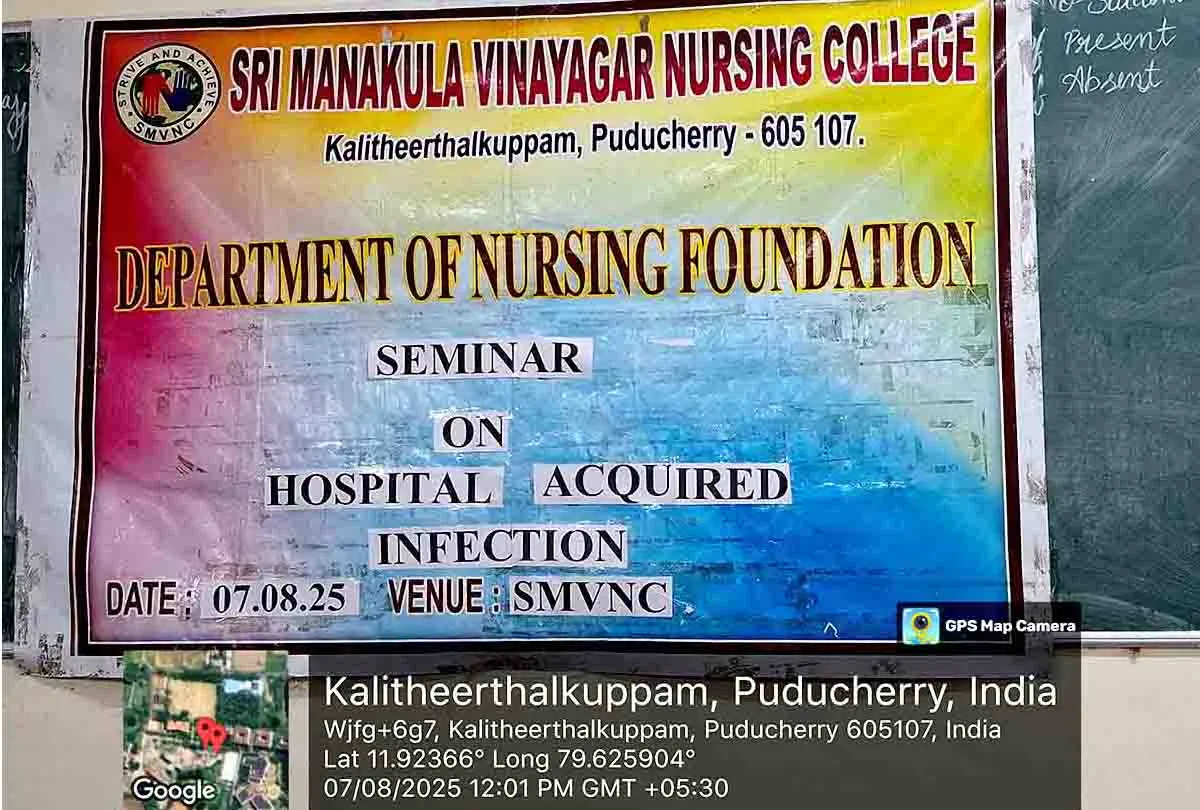
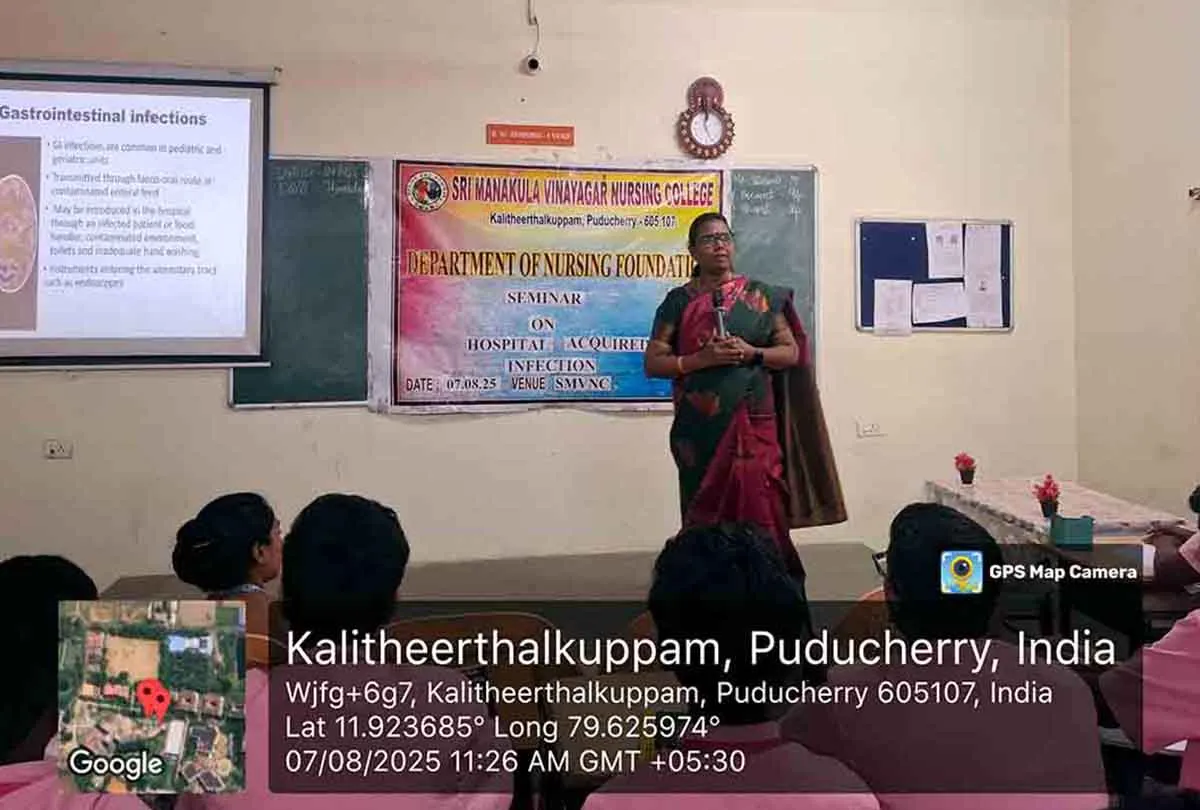
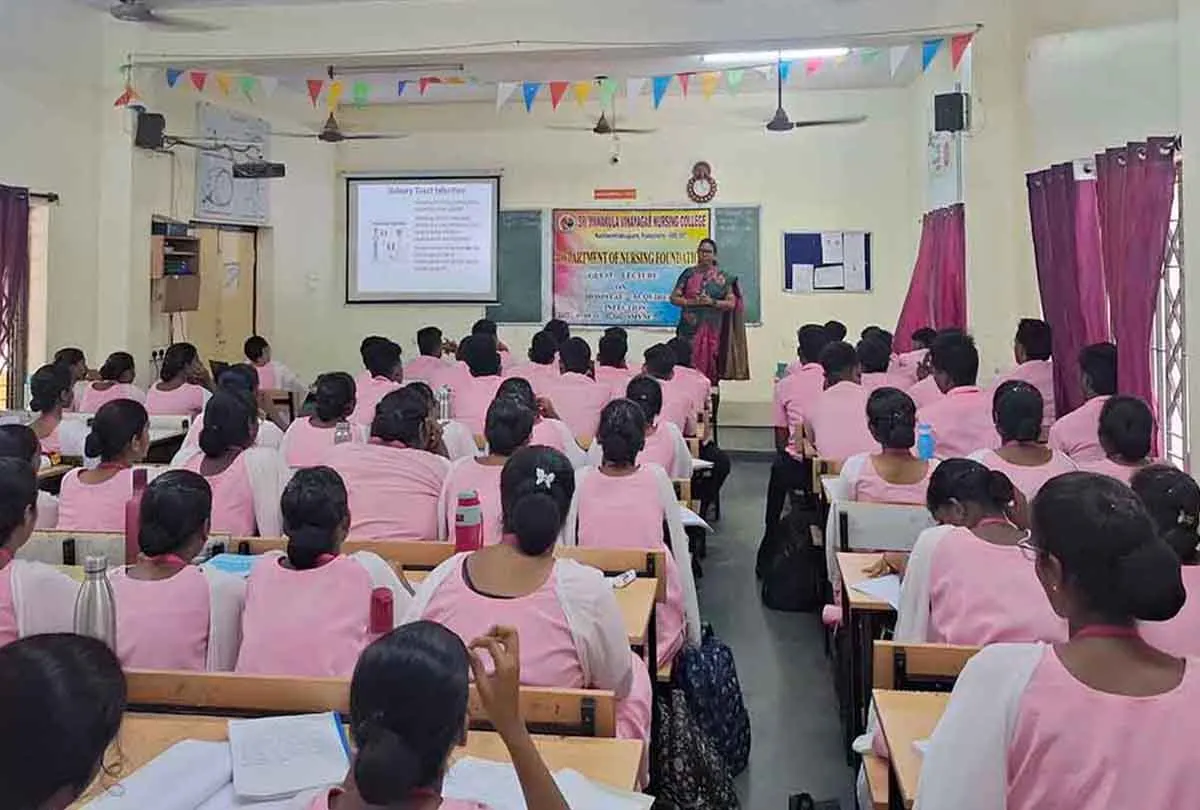
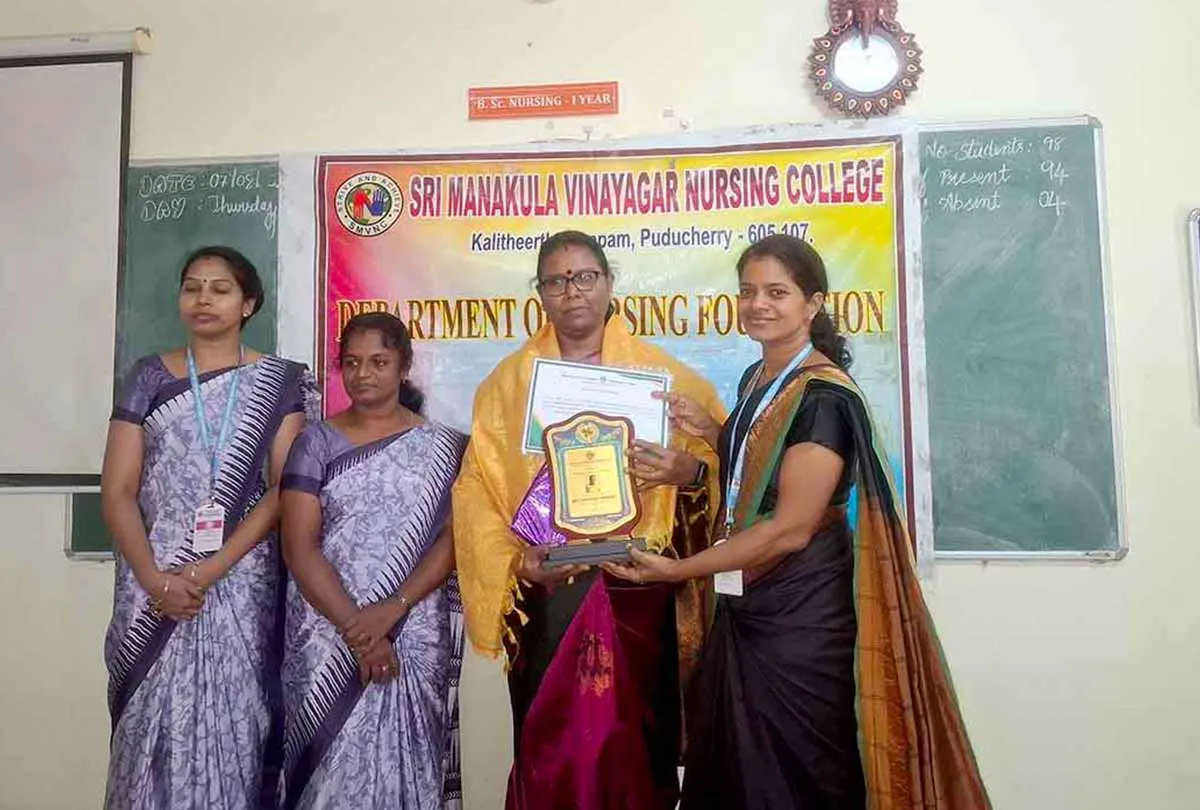
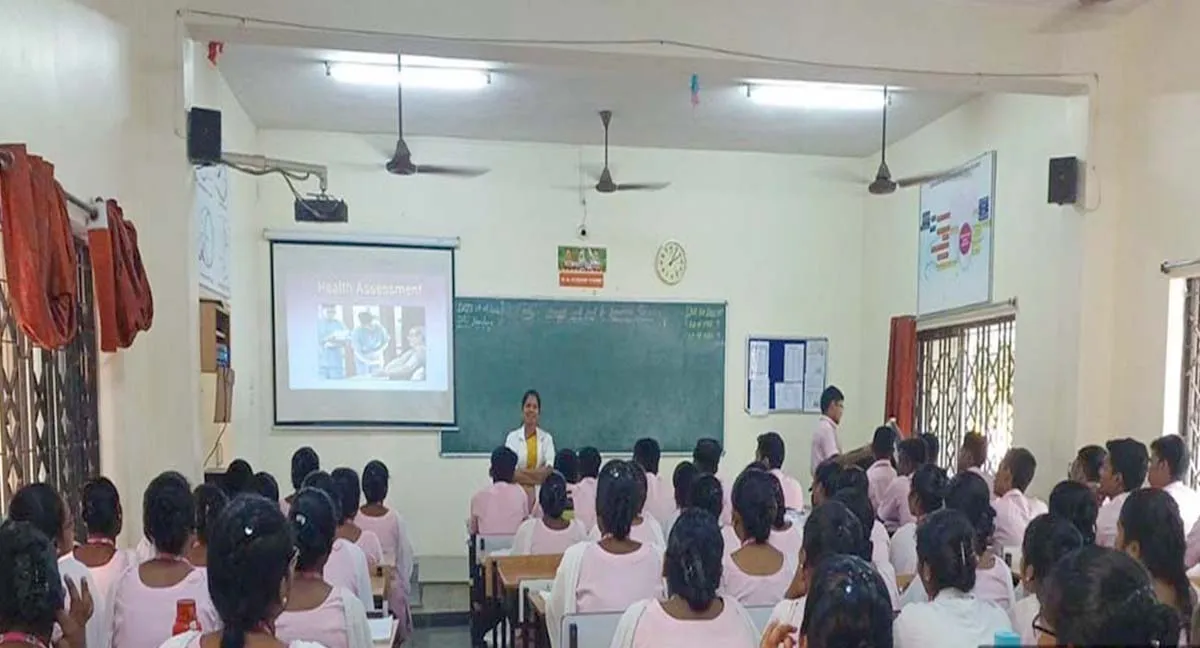
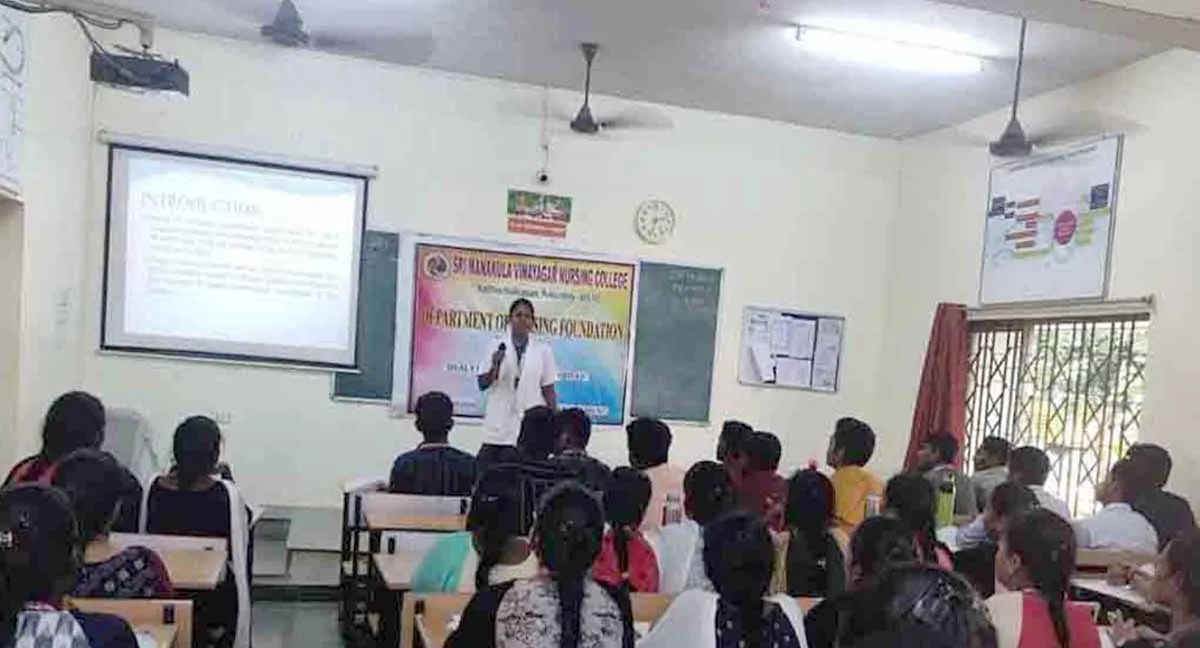
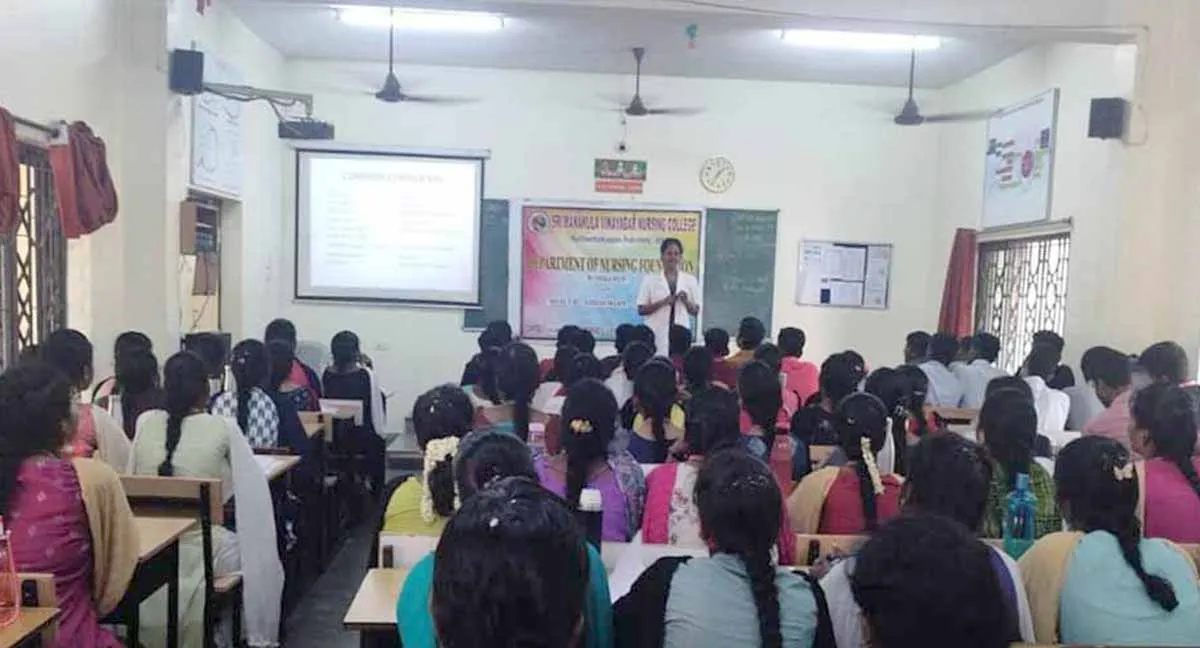
A Seminar on Hospital acquired infection” conducted on 07/08/2025 at 10.00 am to 11.00 am. Mrs. Sathiyakani Thangaraj, Deputy Nursing Superintendent, Nursing Service, JIPMER, Puducherry, delivered the session at Lecture Hall- I, SMVNC, Benefited B.Sc. (N) I Year (II Semester) 96 students and faculties.
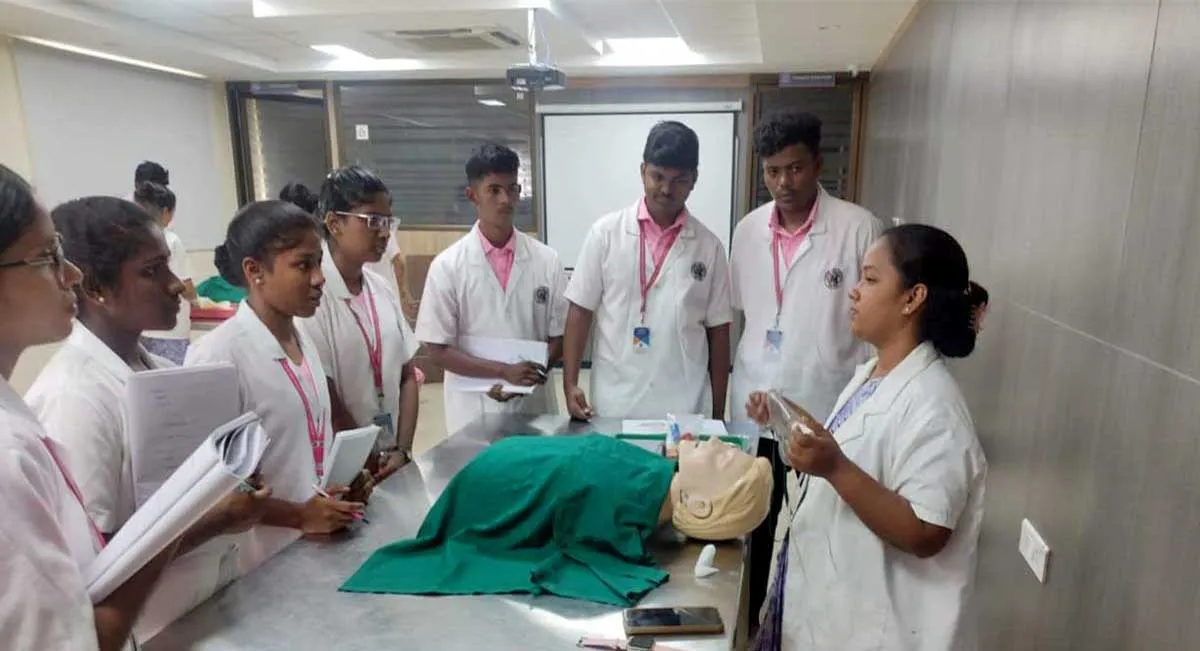
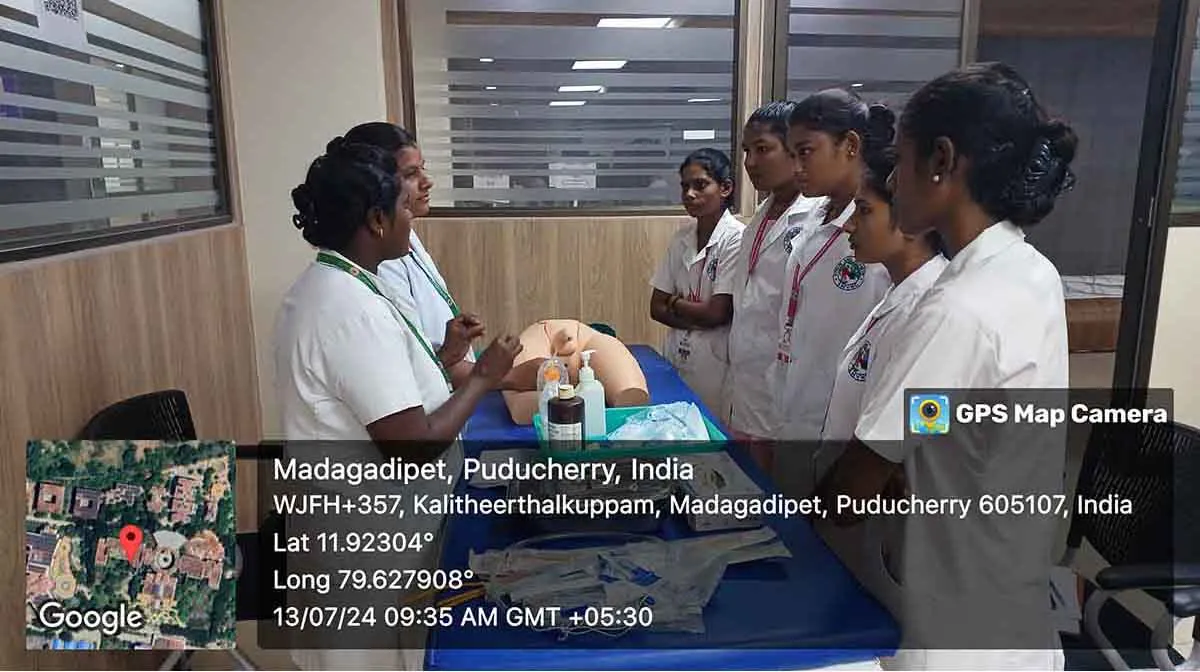
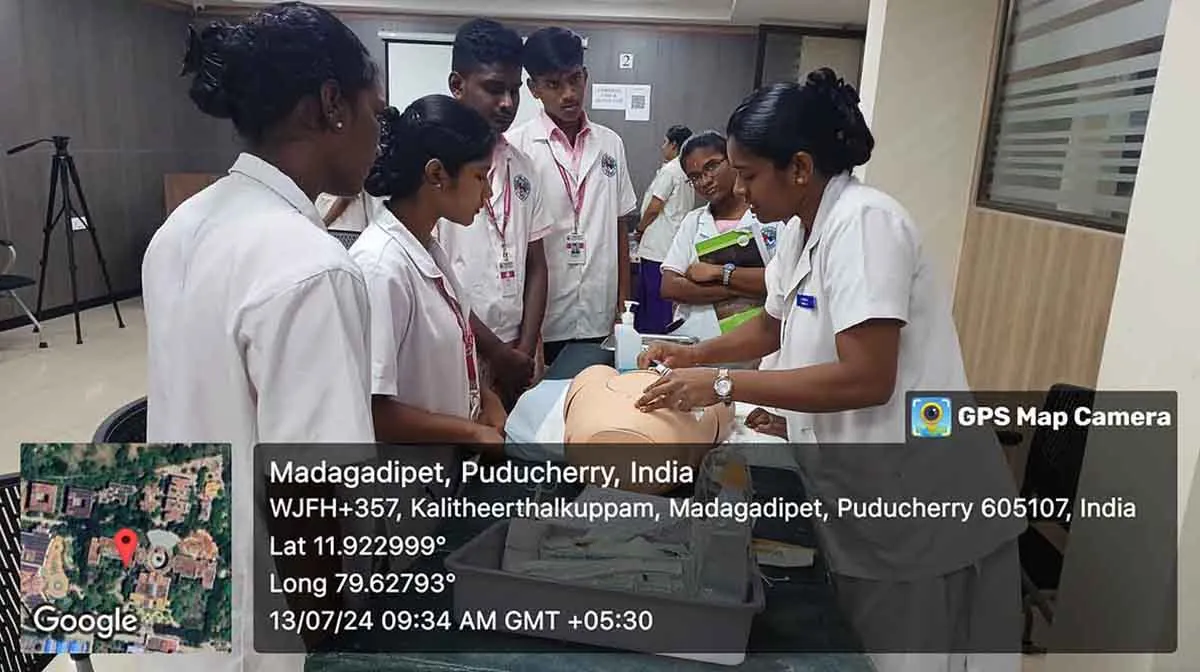
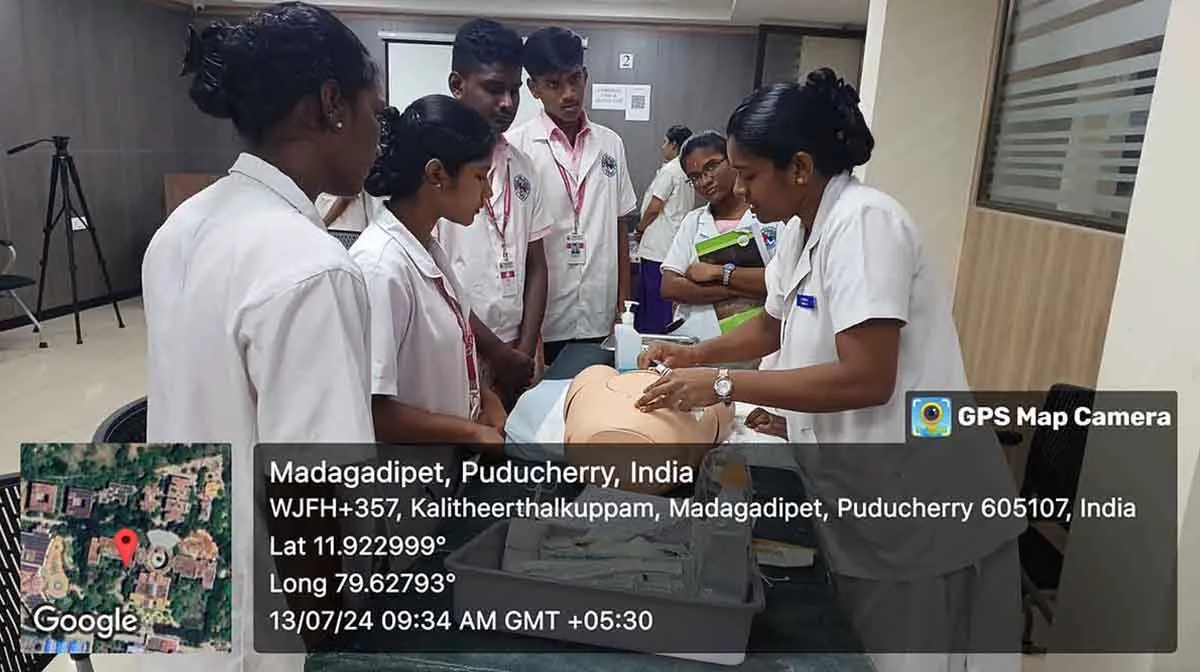
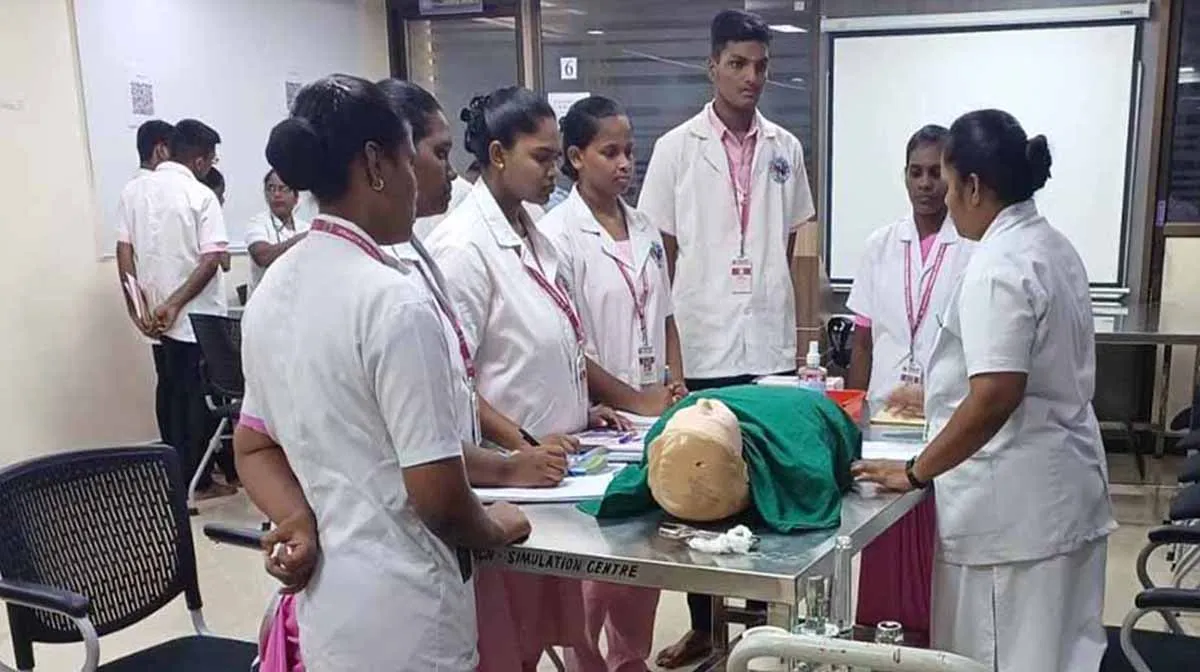
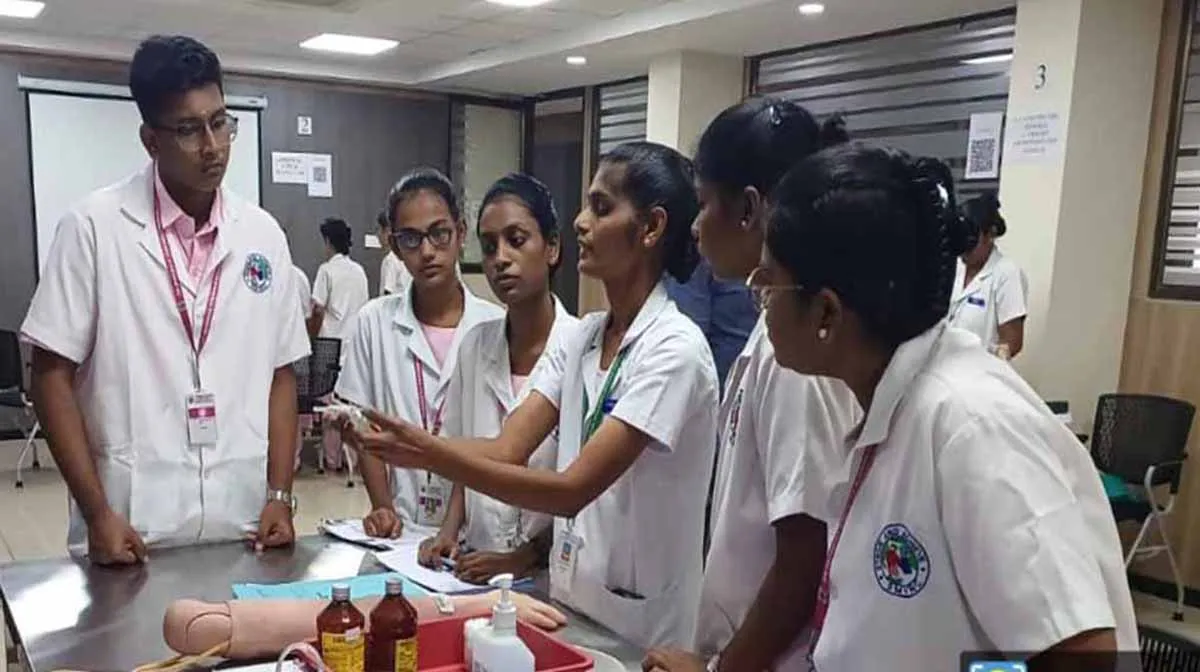
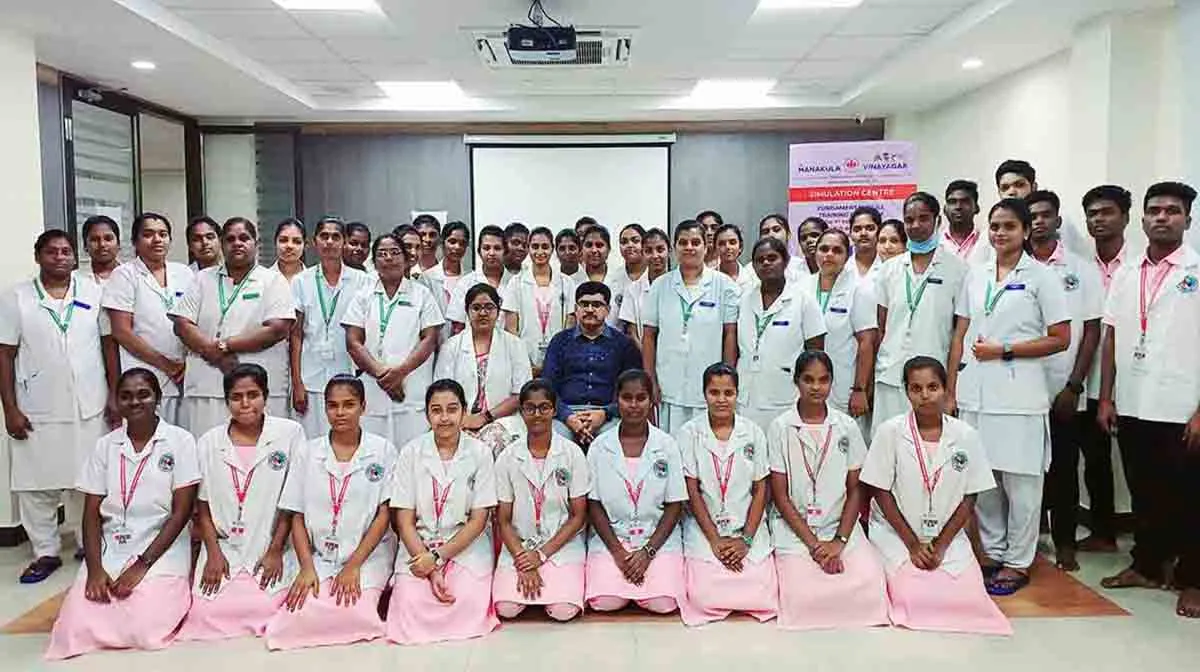
A “Simulation Training Program” was organized from 15th to 17th July 2025 at the Simulation Training Centre, SMVMCH. A total of 101 students from B.Sc., Nursing I Year and P.B.B.Sc., I Year participated and benefited from the program. Key procedures covered during the training included Catheter Insertion, Perineal Care, Oxygen Therapy, IV Infusion, and Tube Feeding.
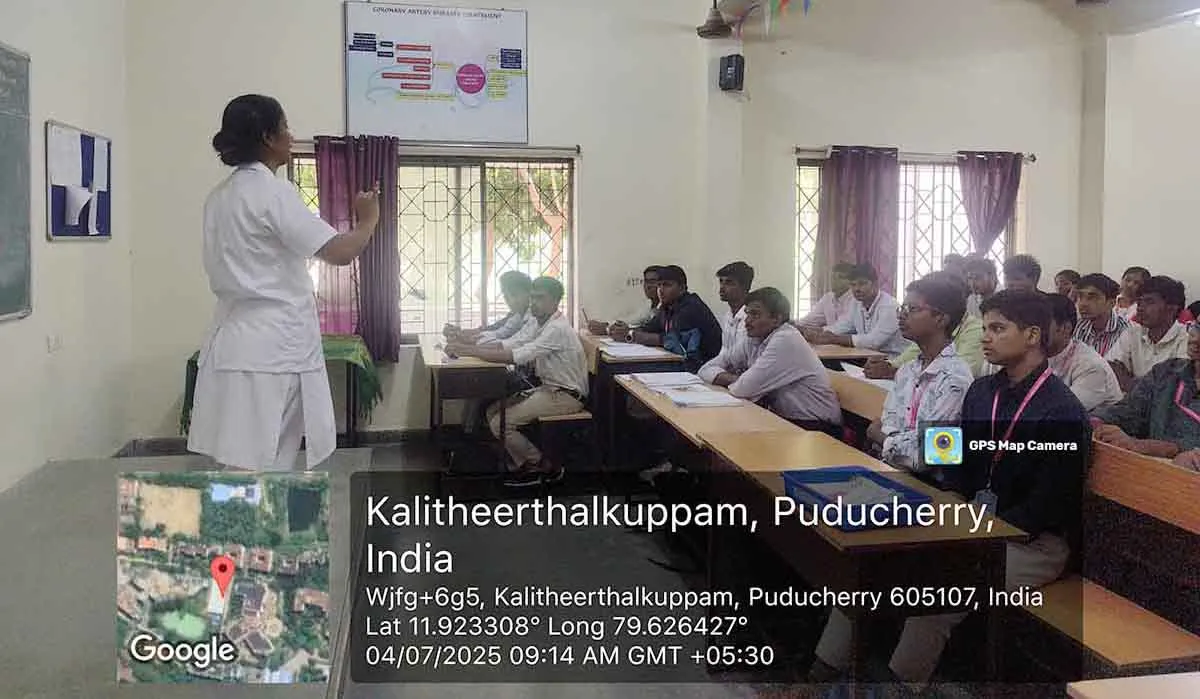
A Guest Lecture on “Prevention of Needle Stick Injuries” was conducted on 4th July 2025 at Lecture Hall I, SMVNC. Mrs. Mohana M., Deputy Nursing Superintendent, SMVMCH, served as the resource person. Benefited B.Sc. Nursing I-Year (II Semester) 96 students.
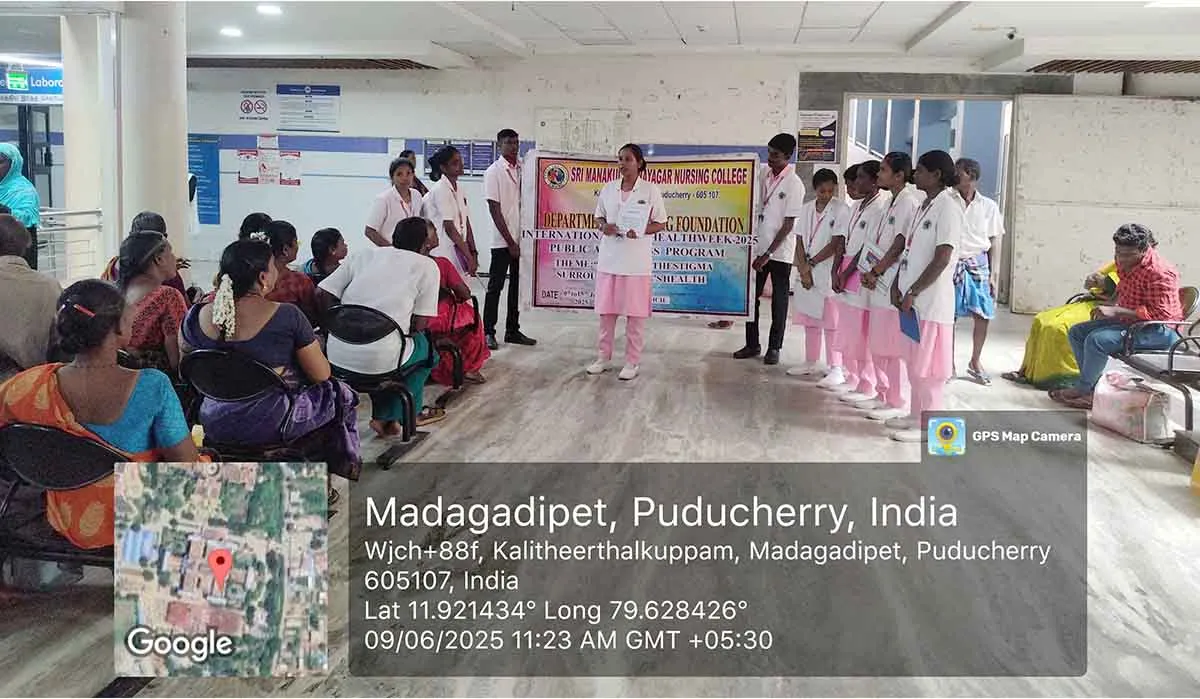
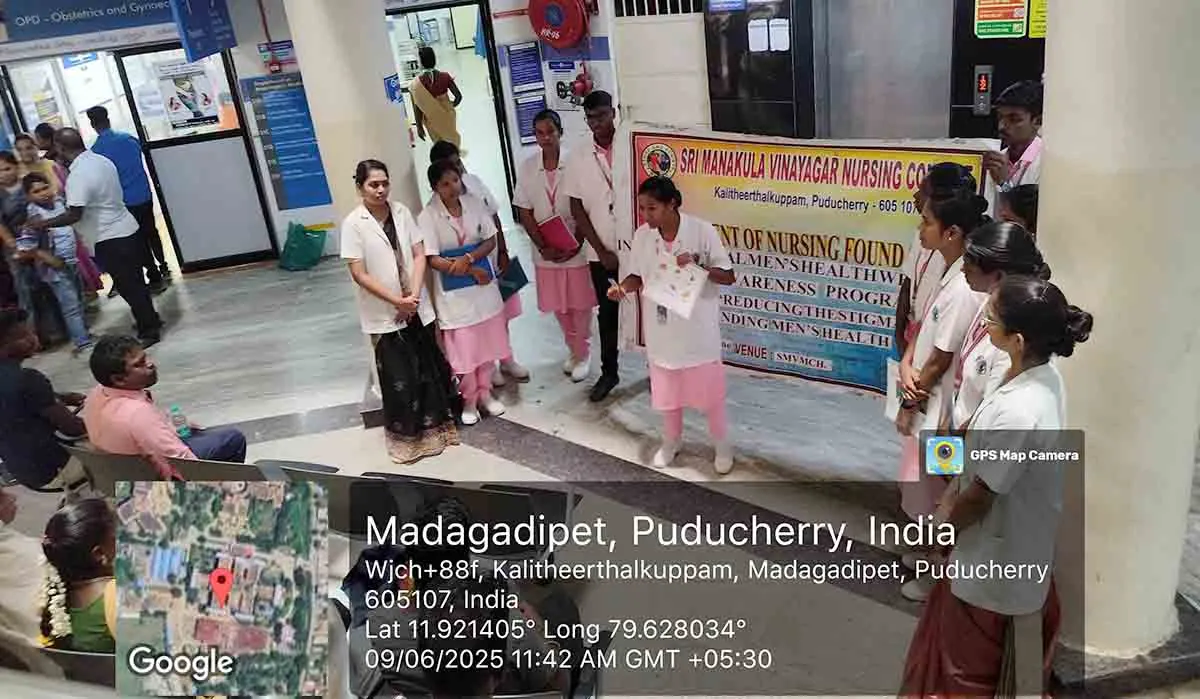
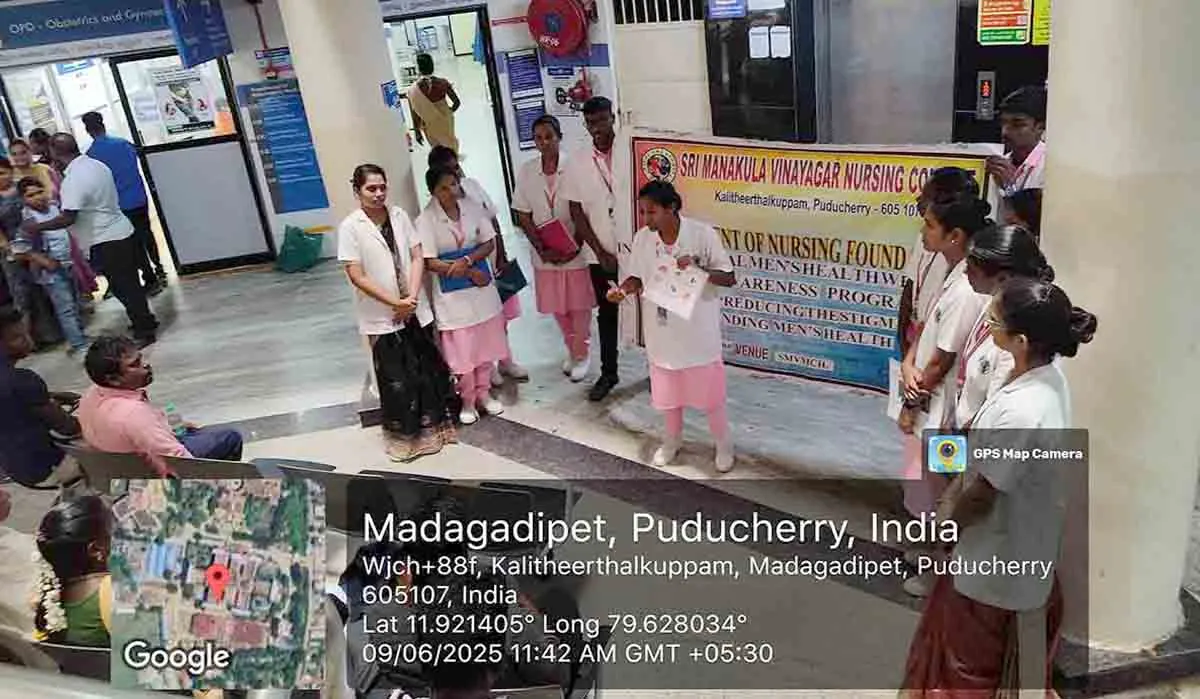
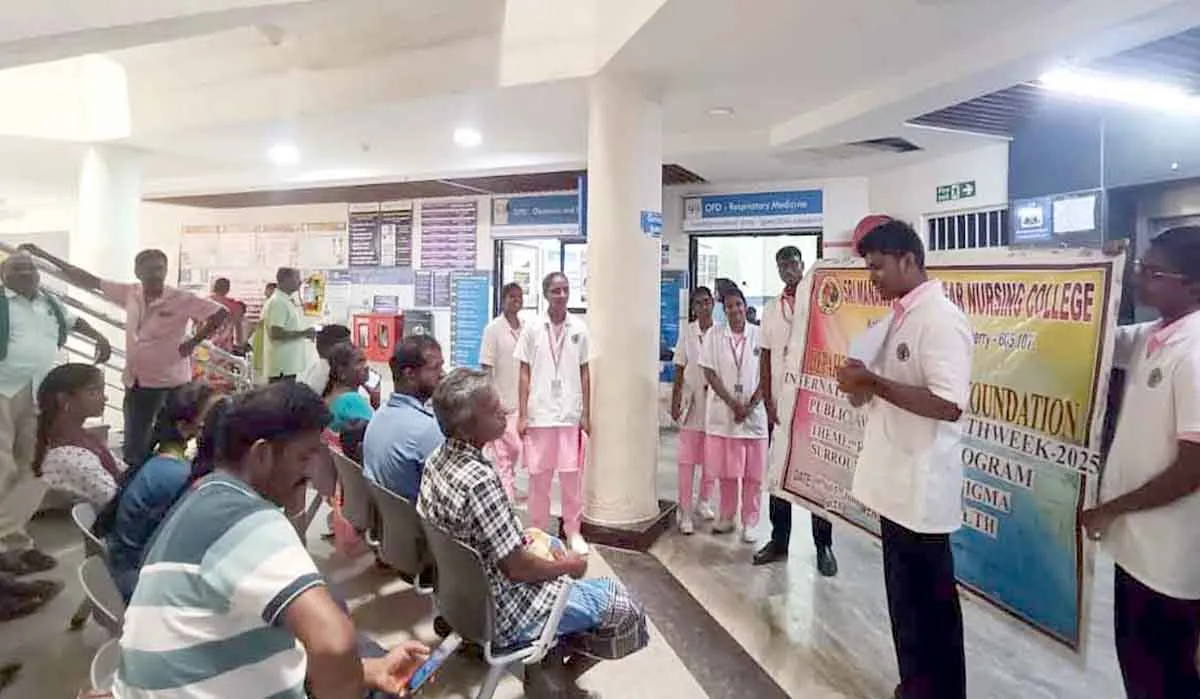
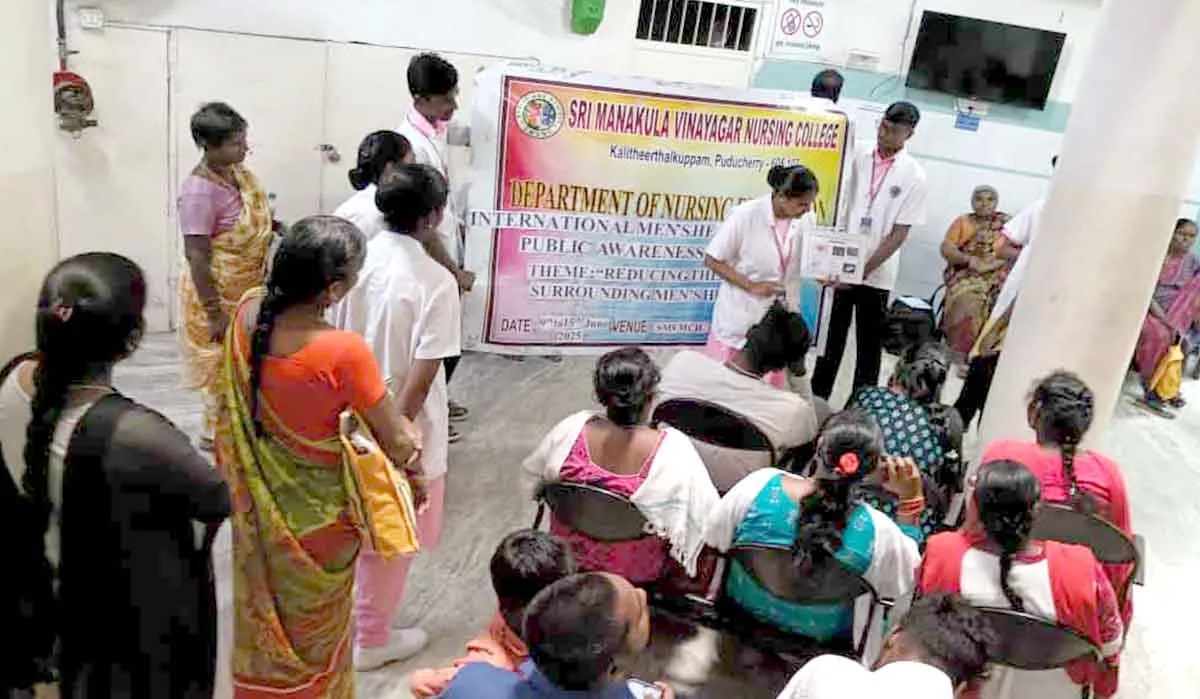
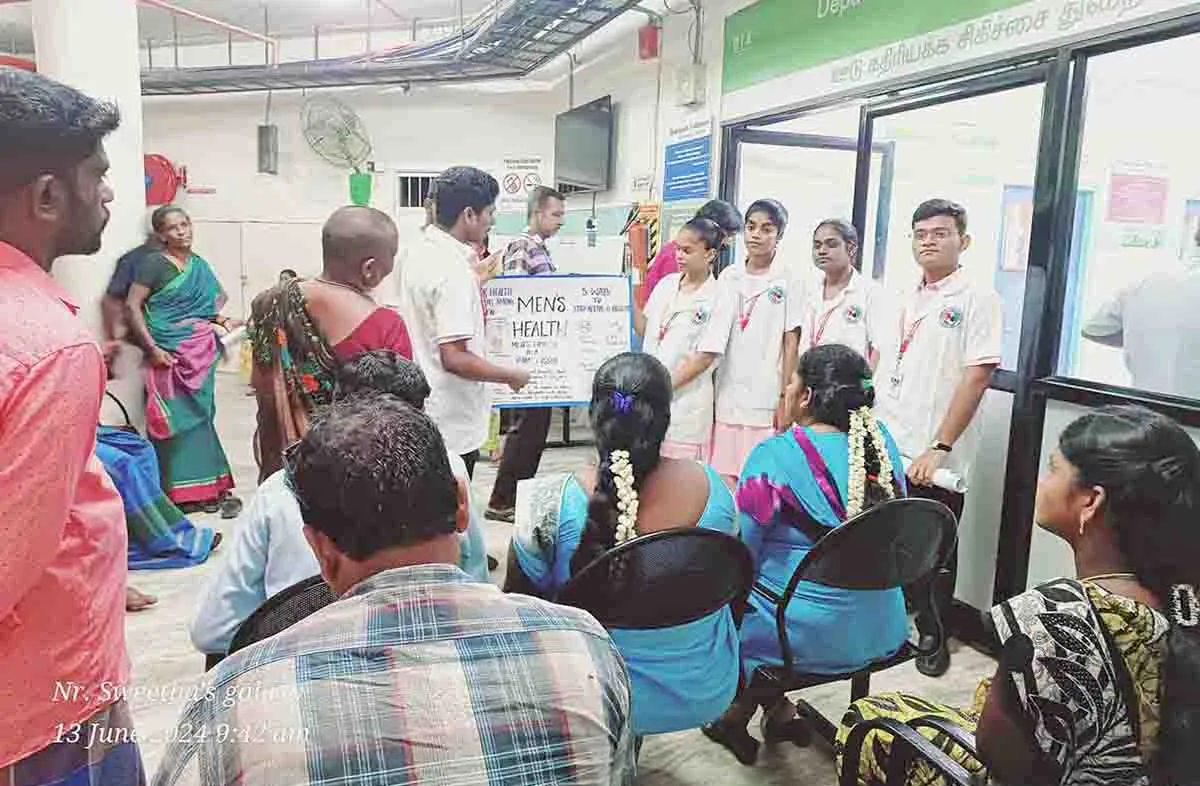
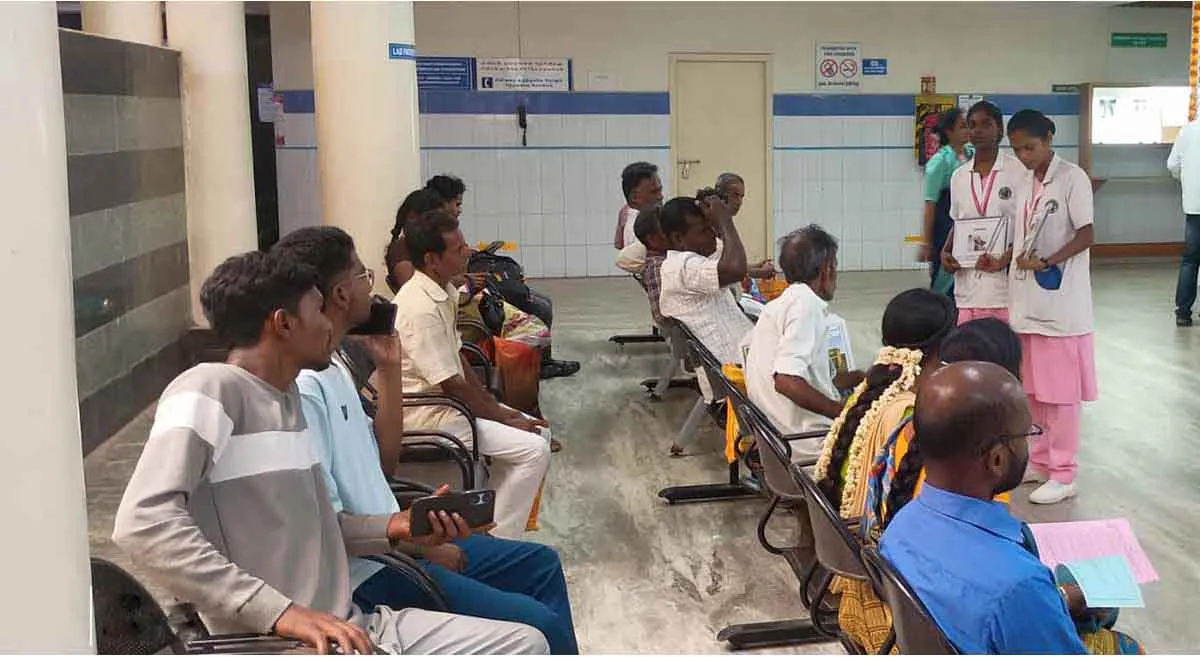
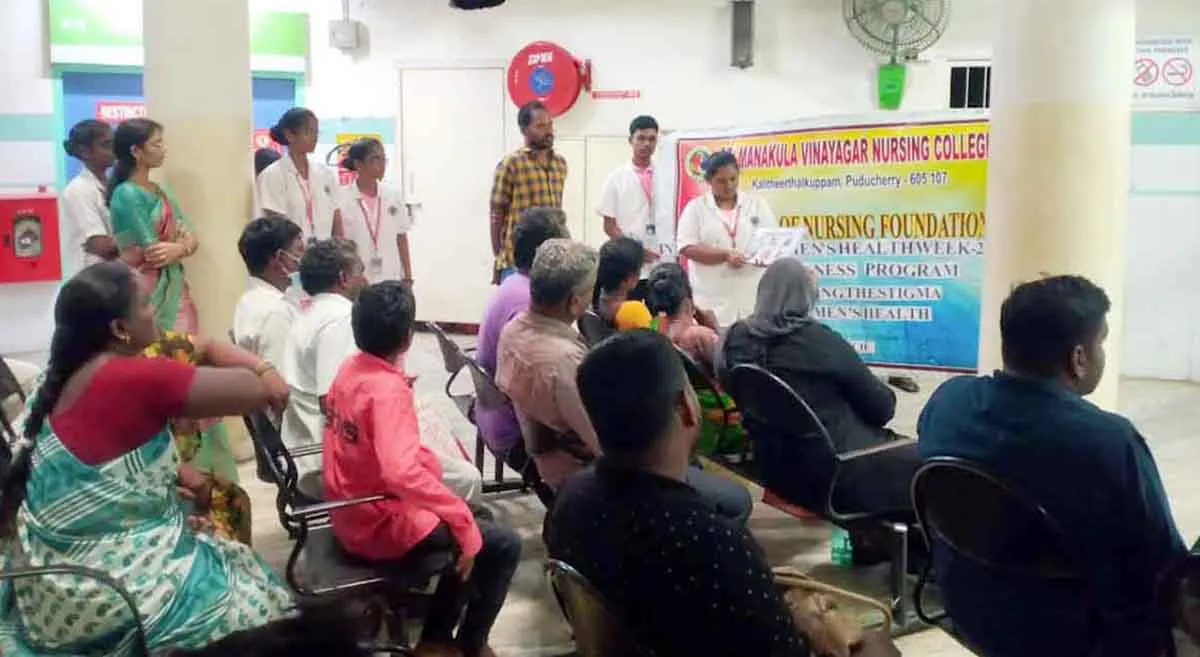
The “International Men’s Health Week” Celebrated on 9th to 15th June 2025 under the theme, “Reducing the Stigma surrounding Men’s Health issues and Empower Men to make informed Decisions about their Health” Participated B.Sc. Nursing I-Year 96 (II Semester) students at SMVMCH OPDs, benefited over 300 patients.
Finished Programme

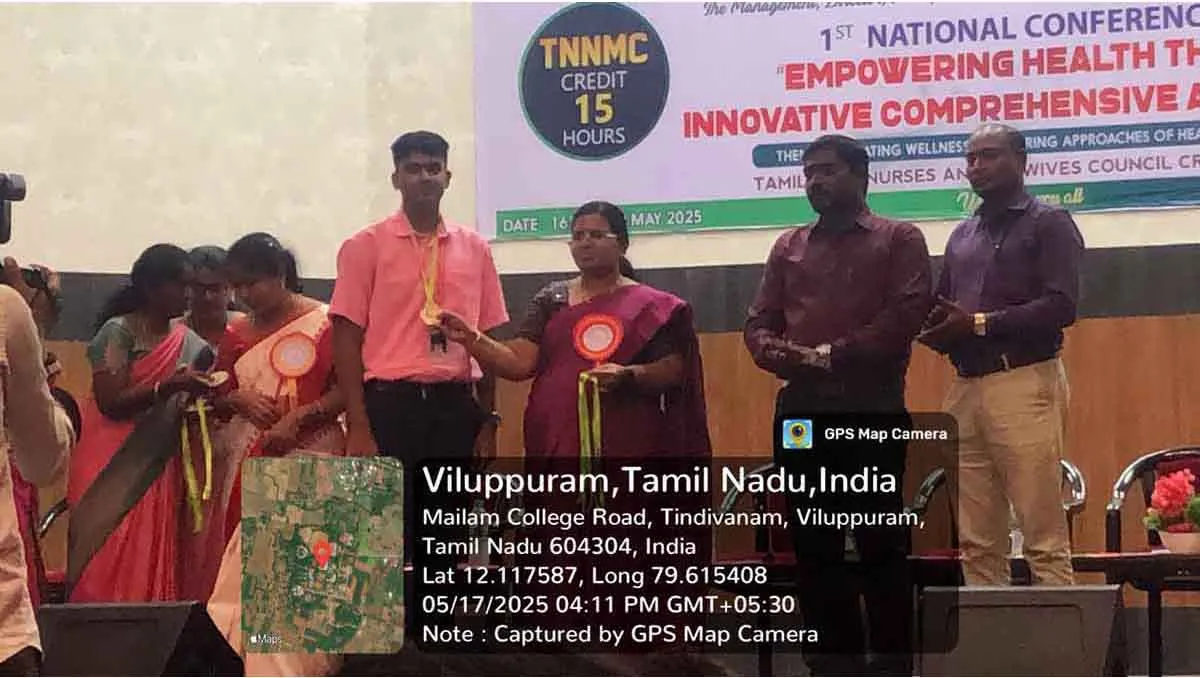
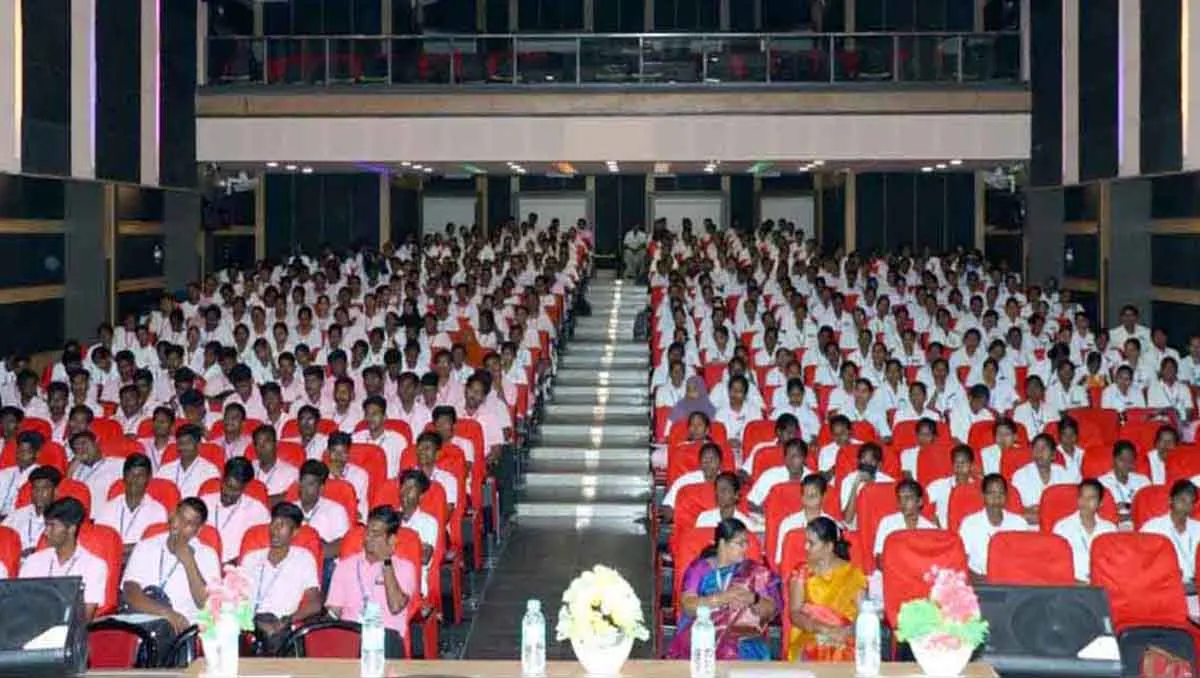
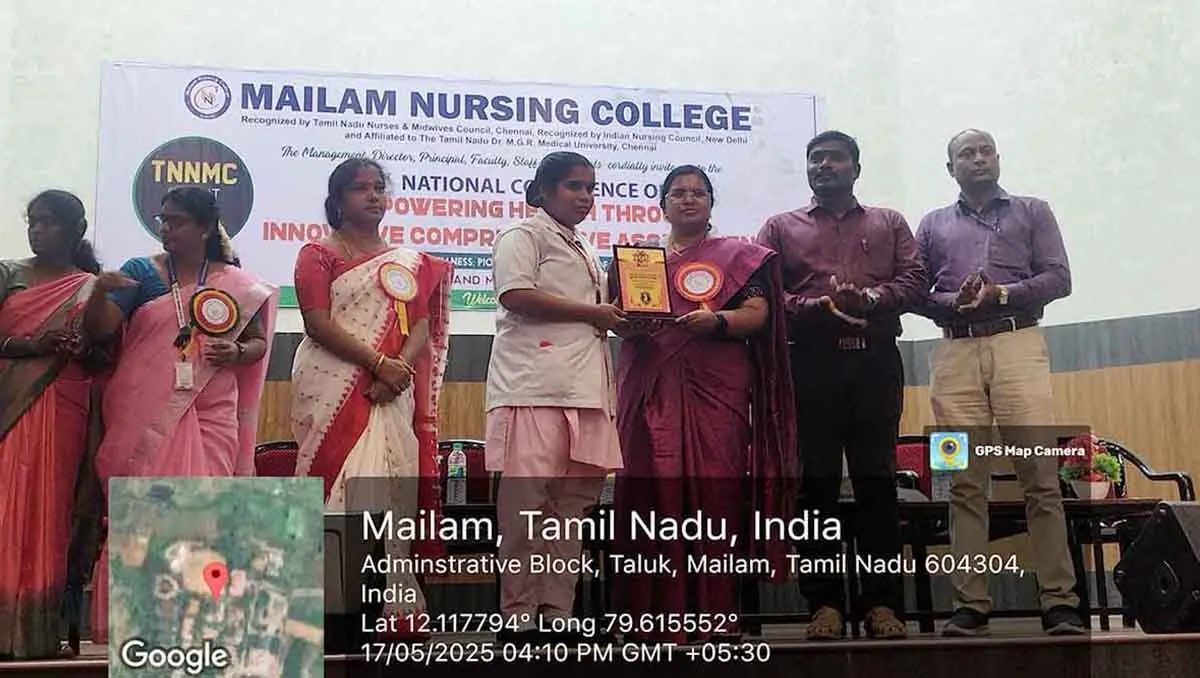
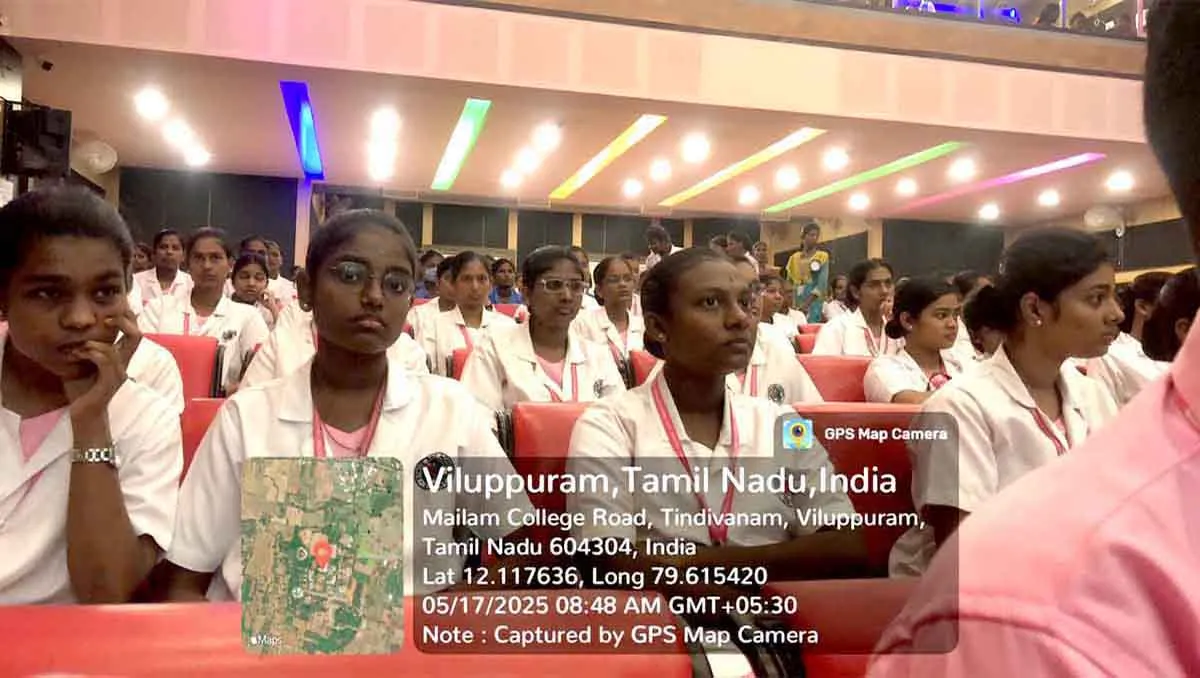
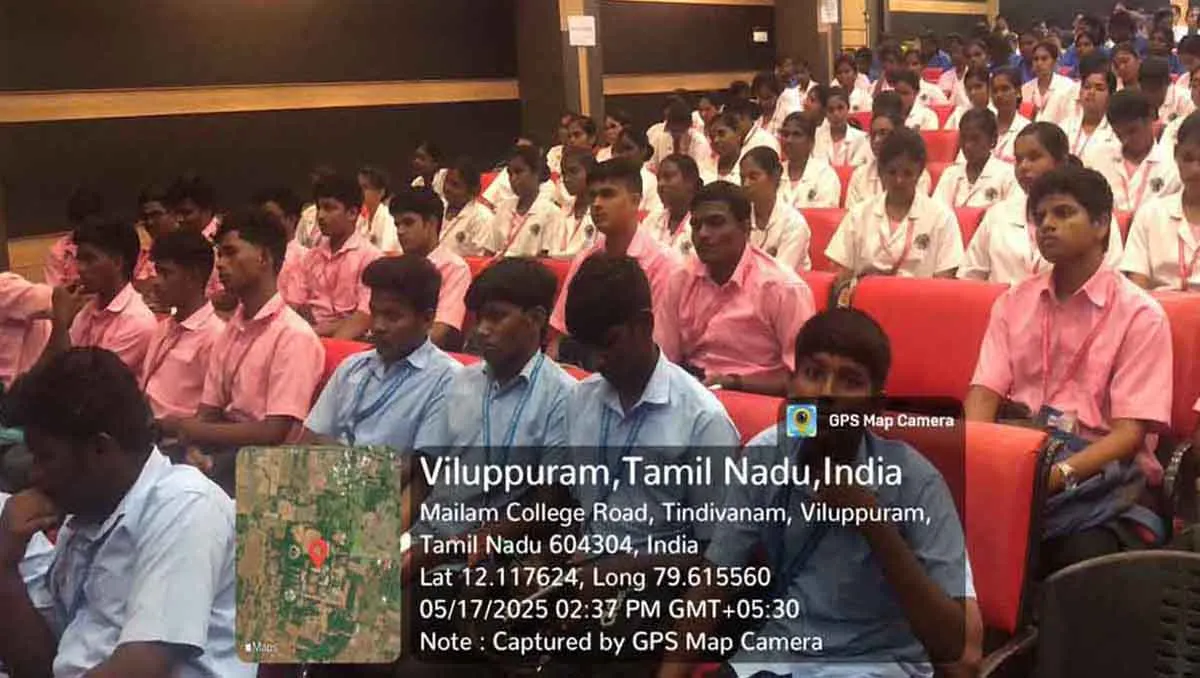
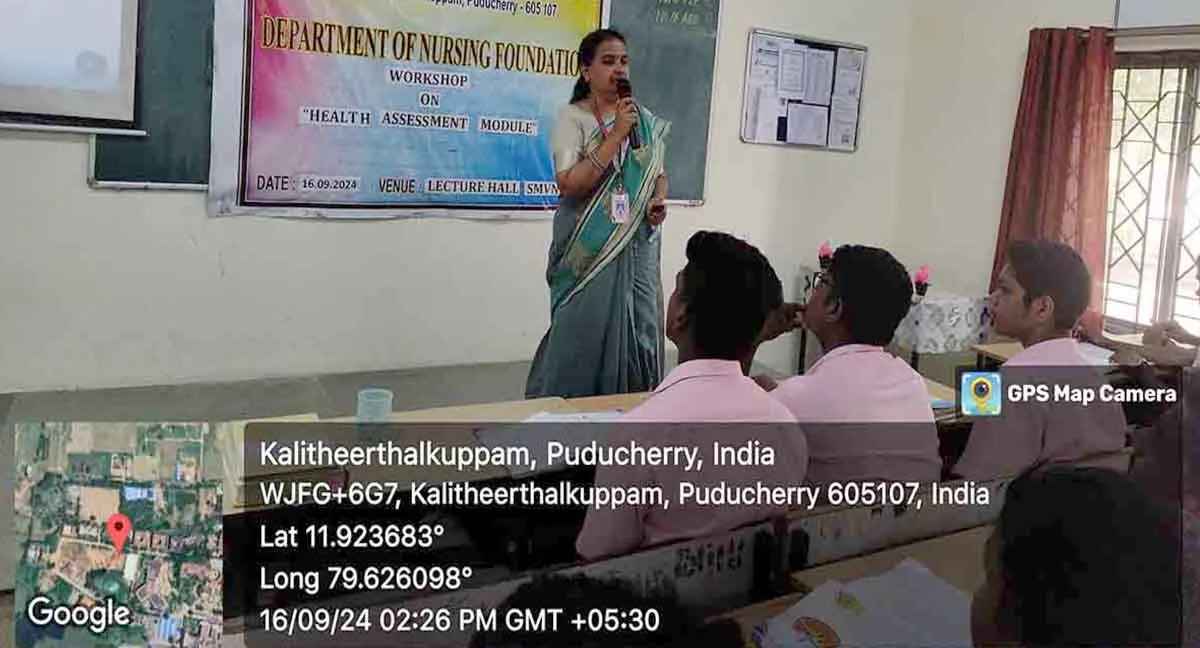
The 1st National Conference on “Health Assessment Module” was held at Mailam Nursing College from 16th to 17th May 2025. The sessions covered Eye & ENT, Respiratory, Neurological, Cardiovascular, and Pediatric assessments. A total of 96 B.Sc. Nursing I-Year (II-Semester) students benefited from the conference.

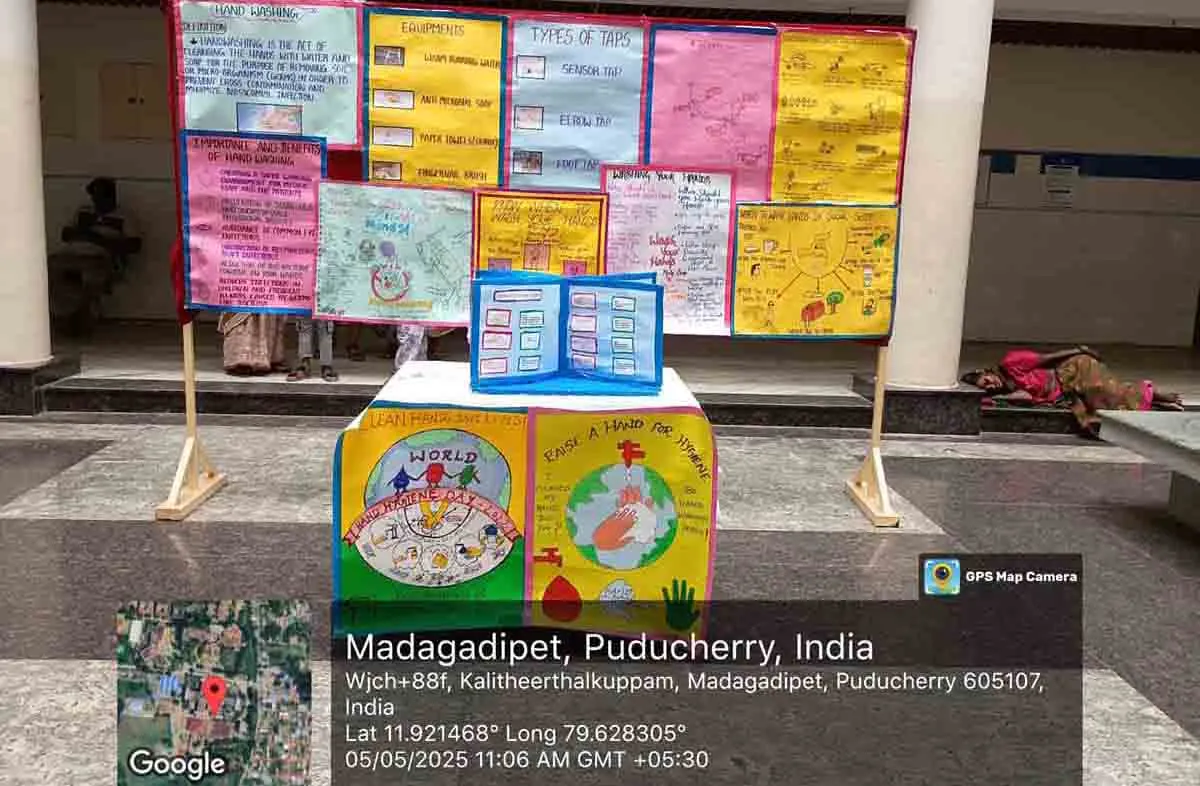
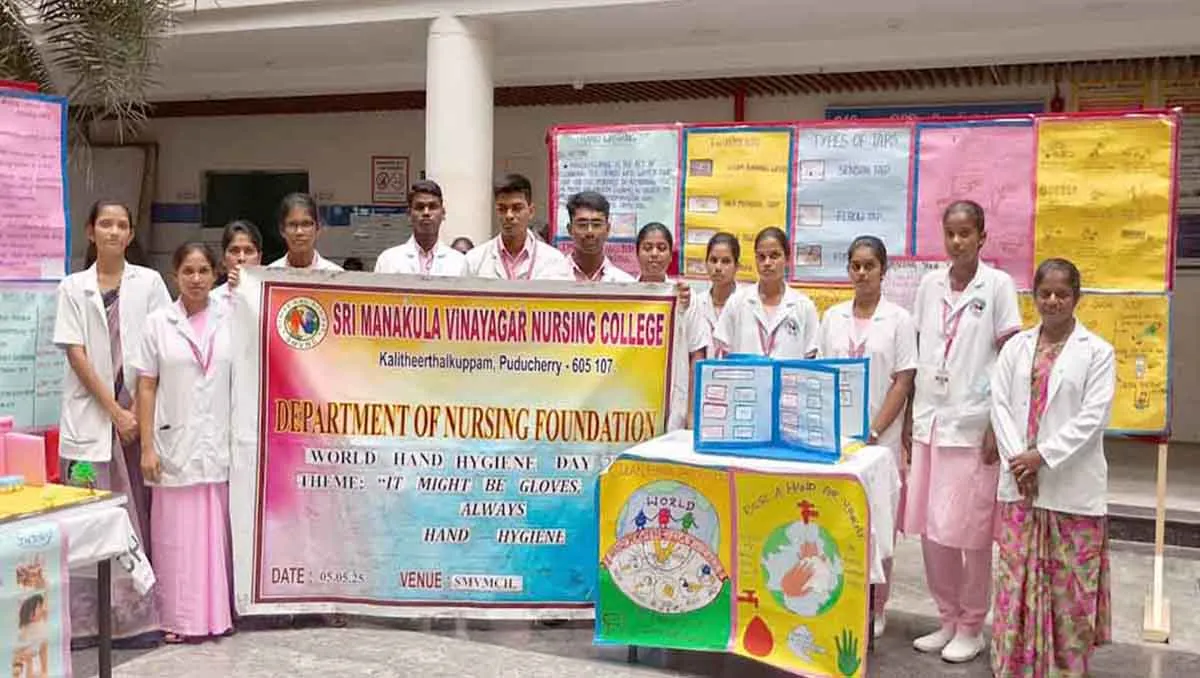
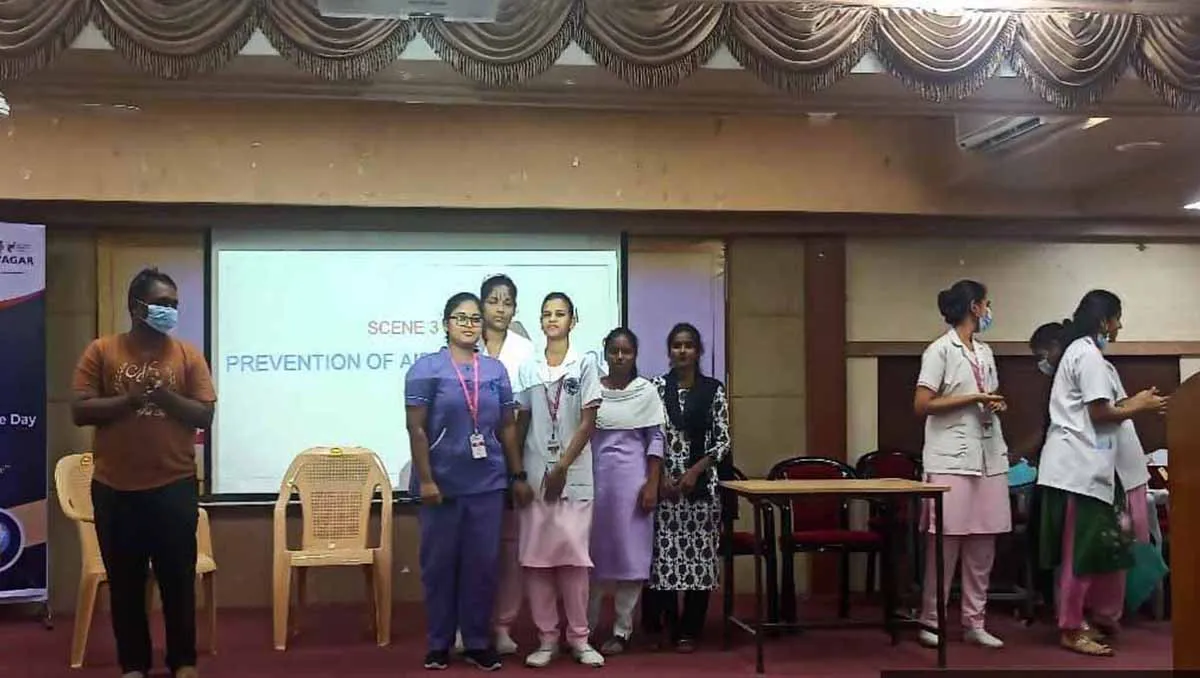
“World Hand Hygiene Day” was celebrated on 5th May 2025 under the theme “It might be gloves. It’s always hand hygiene.” A health stall and role play were organized at SMVMCH. B.Sc. (N) III Year and P.B.B.Sc. I Year students actively participated in the event. Around 80 OPD patients and staff nurses benefited from the program.

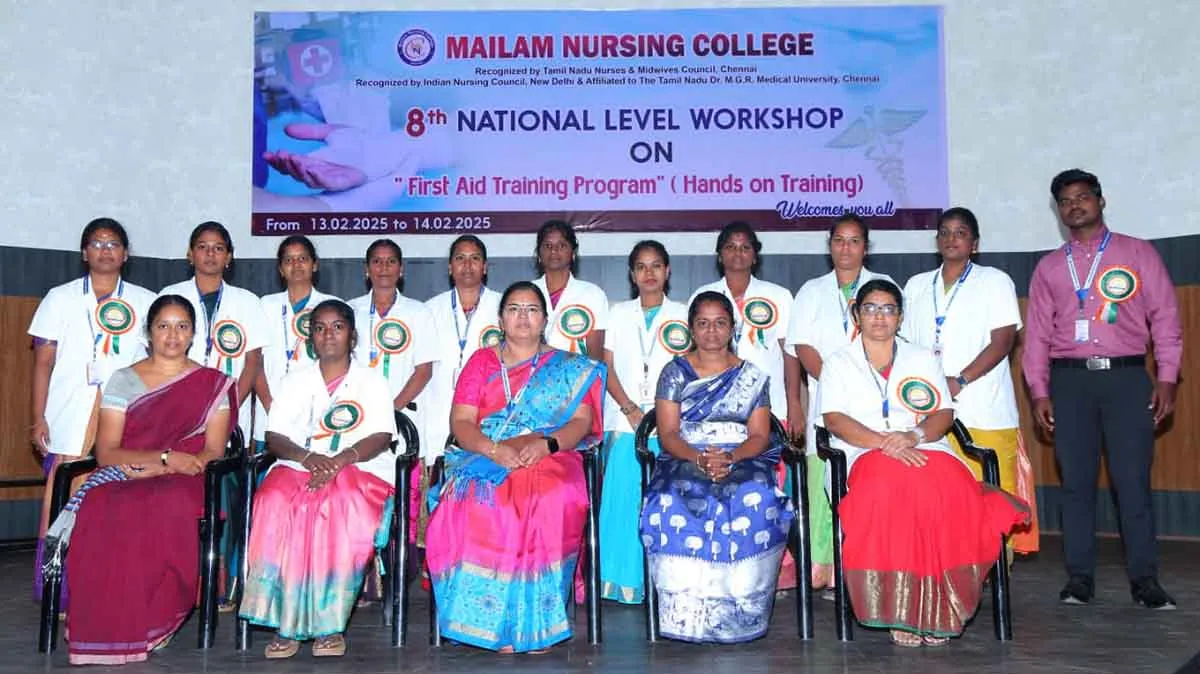
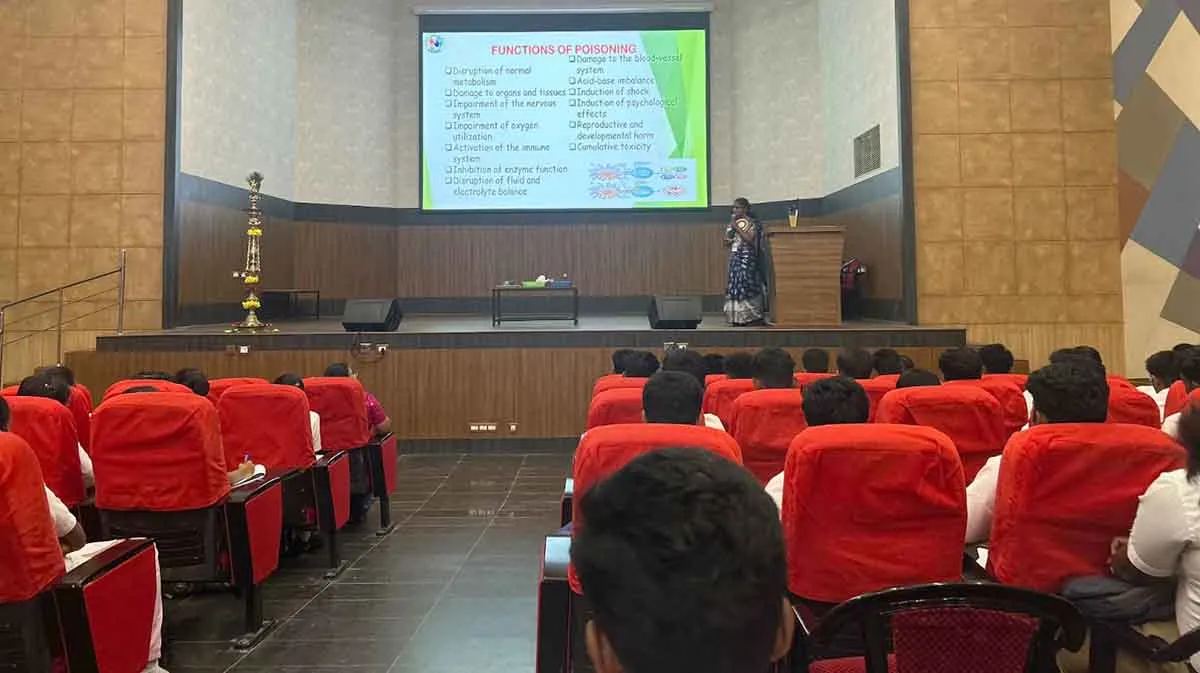
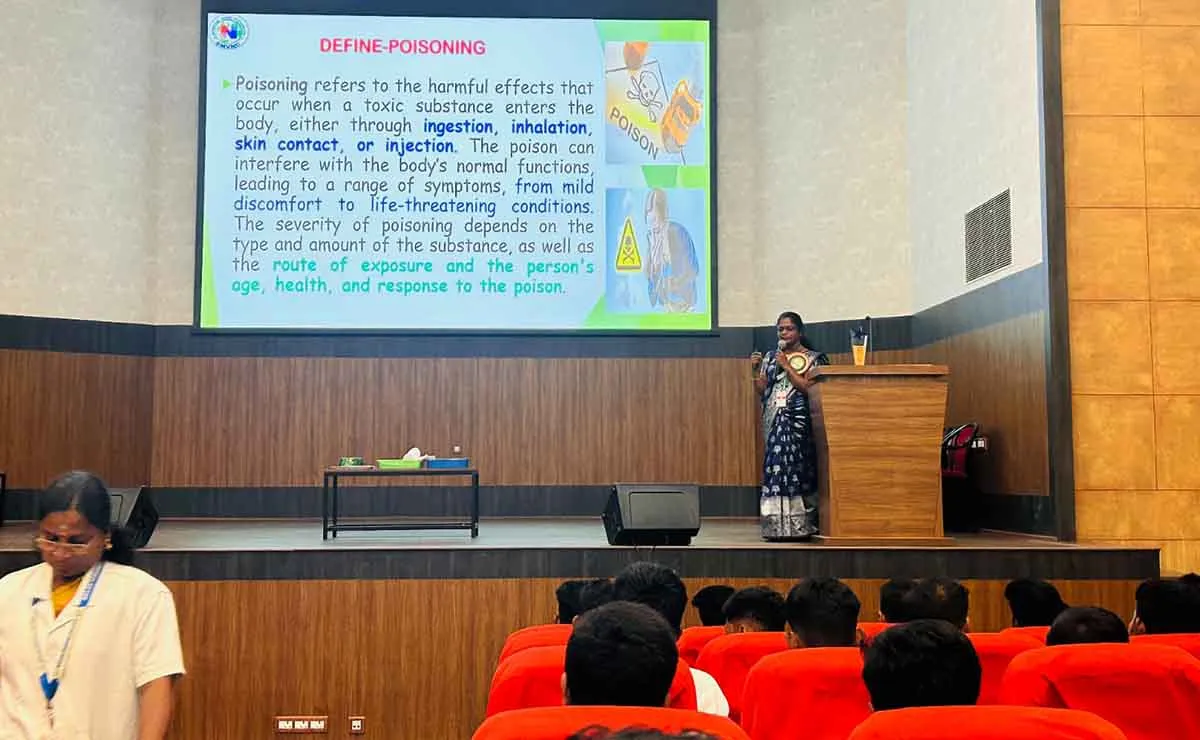
The 8th National Workshop on “First Aid Training Programme” was held at Mailam Nursing College from 13.02.2025 to 14.02.2025. The training included hands-on sessions on CPR, Wound Care, and Emergency Management. The workshop greatly benefited 97 B.Sc. Nursing I-Year (I-Semester) students.

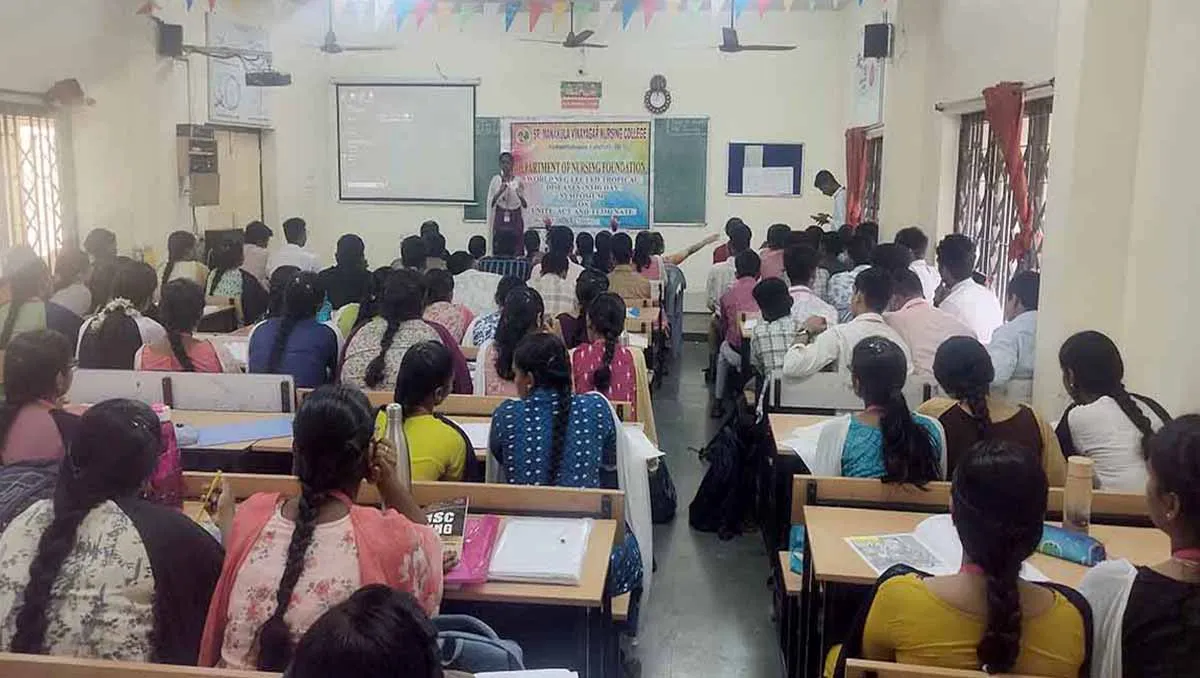
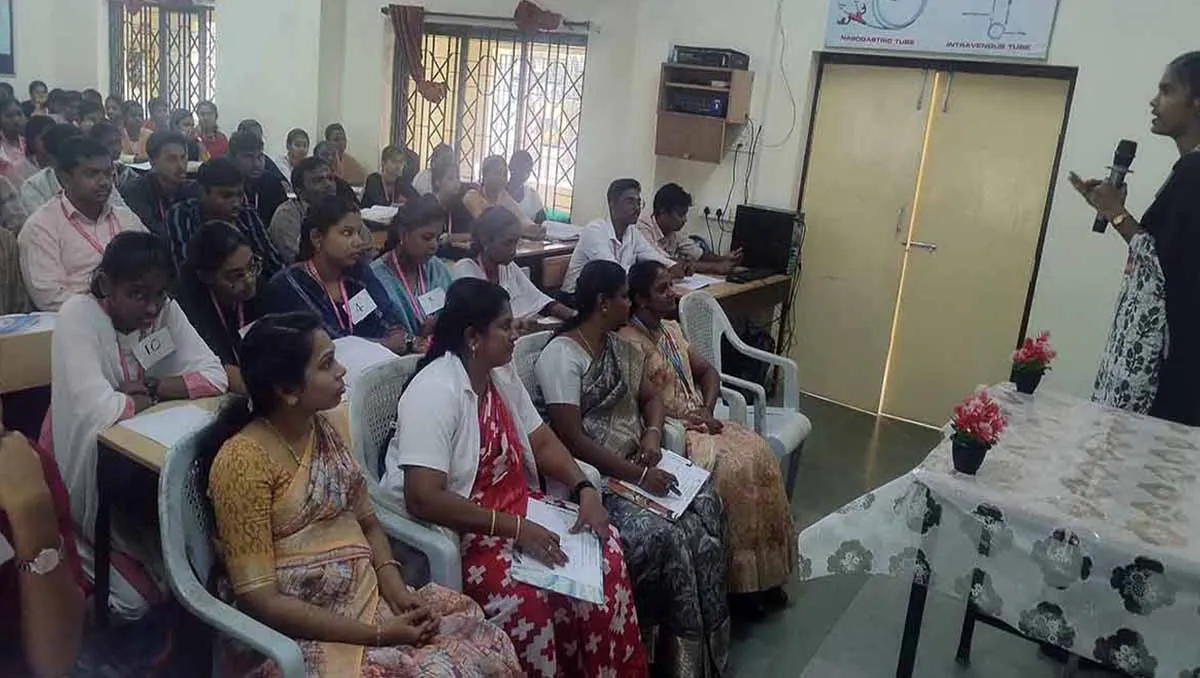
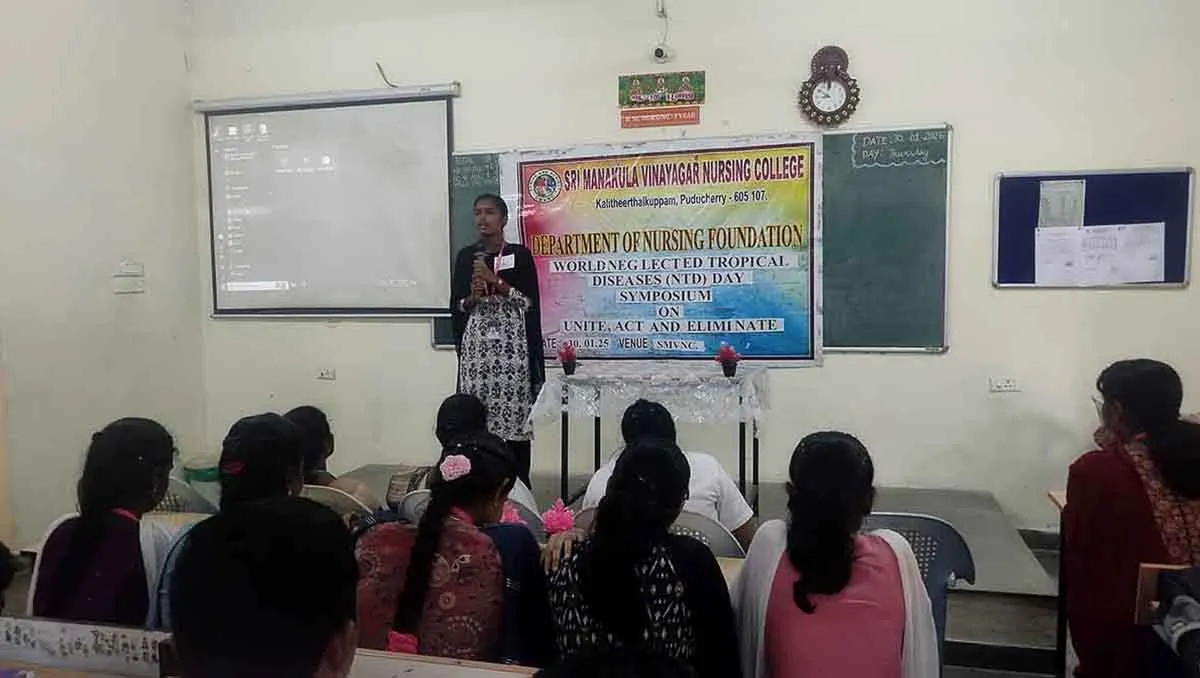
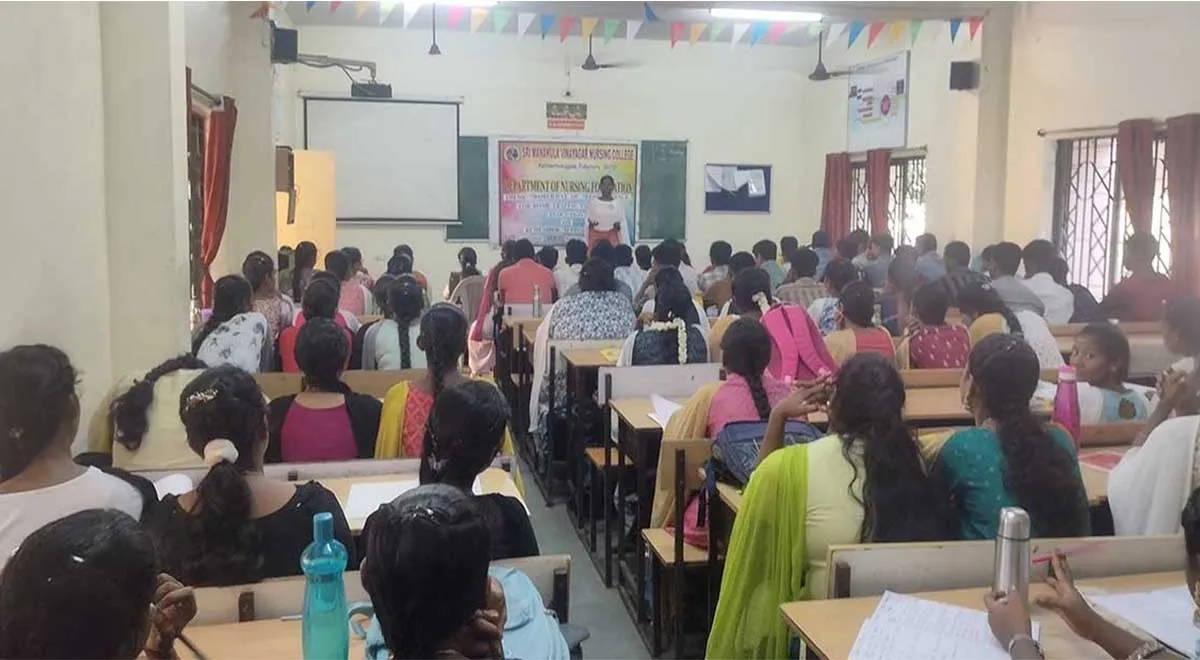
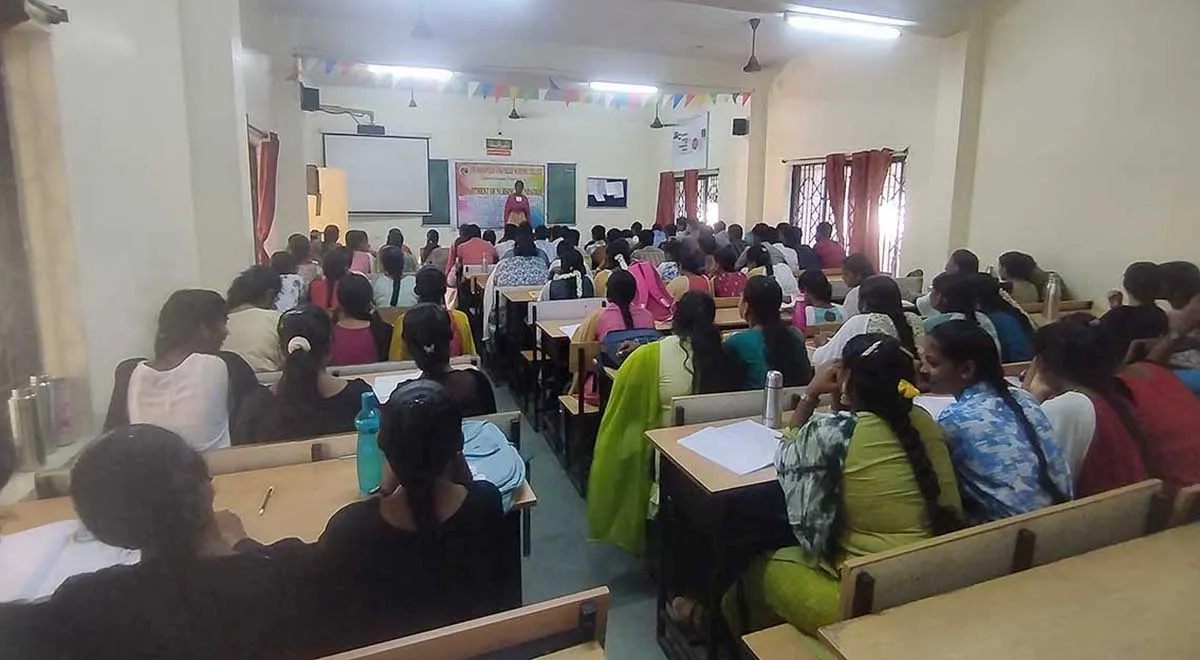
The “World Neglected Tropical Diseases Day” celebrated on 30th January, 2025 under the theme “Unite, Act and Eliminate.” An Elocution competition was conducted at the Lecture Hall-I, SMVNC. Benefited B.Sc., Nursing I Year (II Semester) 97 students.

World Day of Remembrance for Road Traffic Victims 17.11.2024
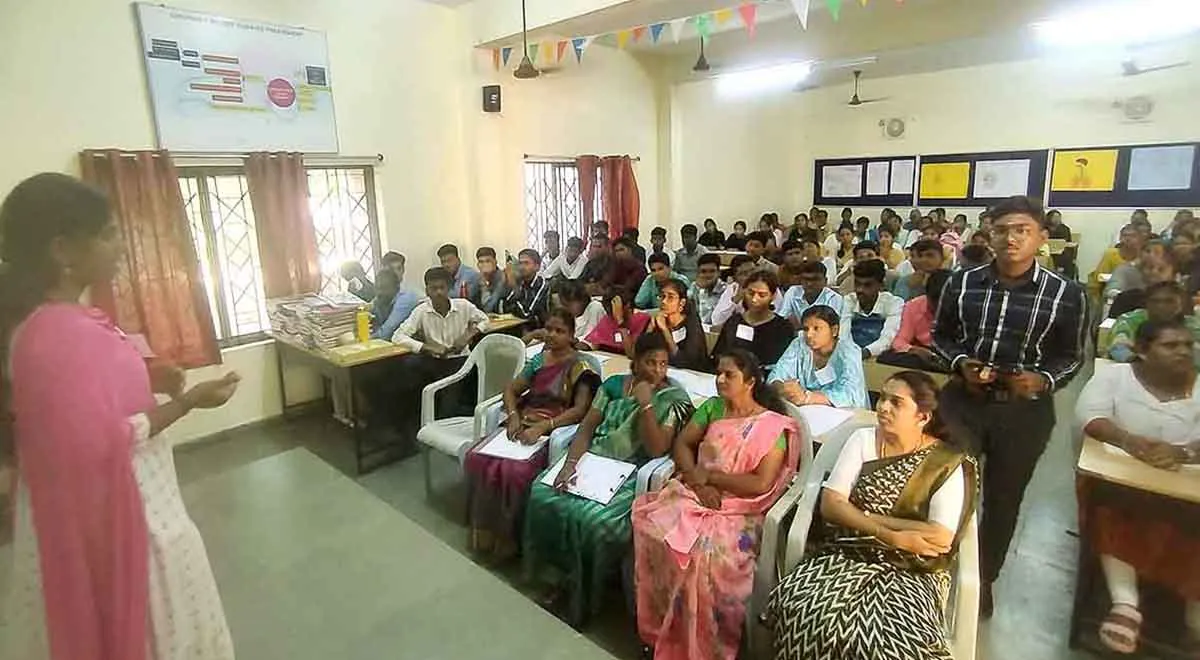
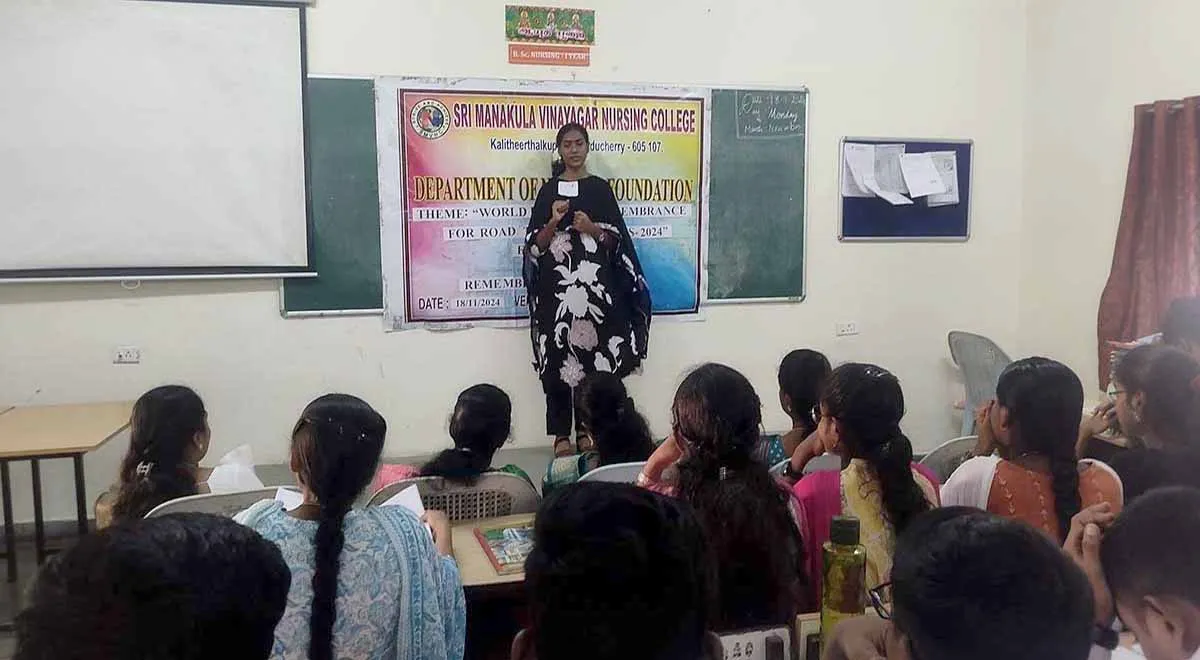
The “World Day of Remembrance for Road Traffic Victims” was conducted on 18th November 2024 at 9.00 am under the theme “Remember–Support–Act.” An elocution competition was held at the Lecture Hall-I, benefited B.Sc. Nursing I-Year (I Semester) 96 students.

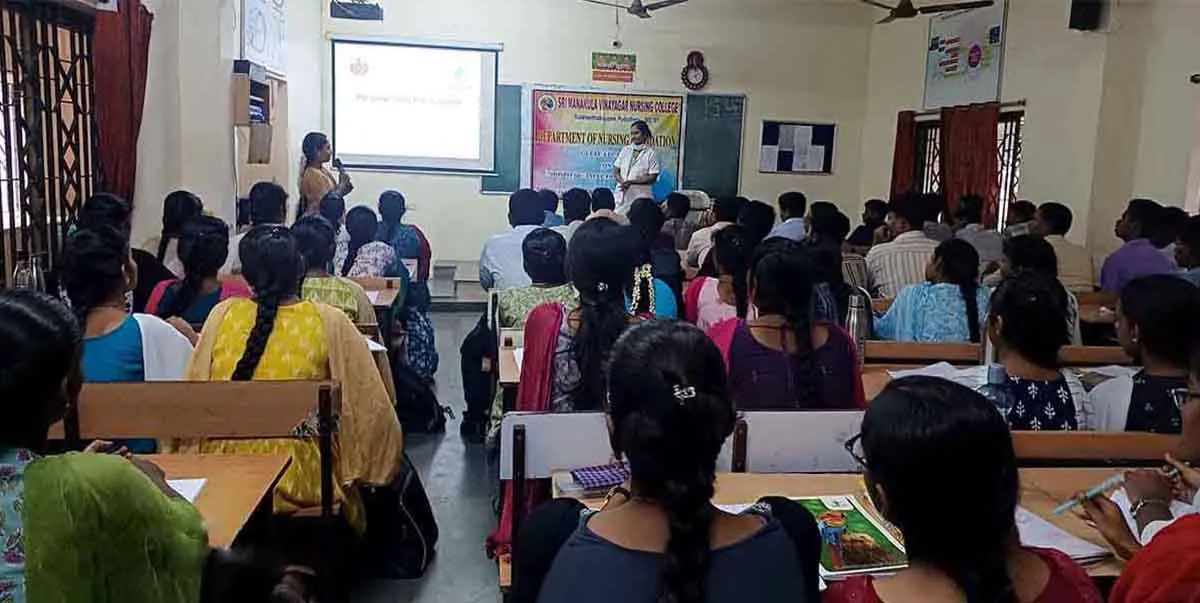
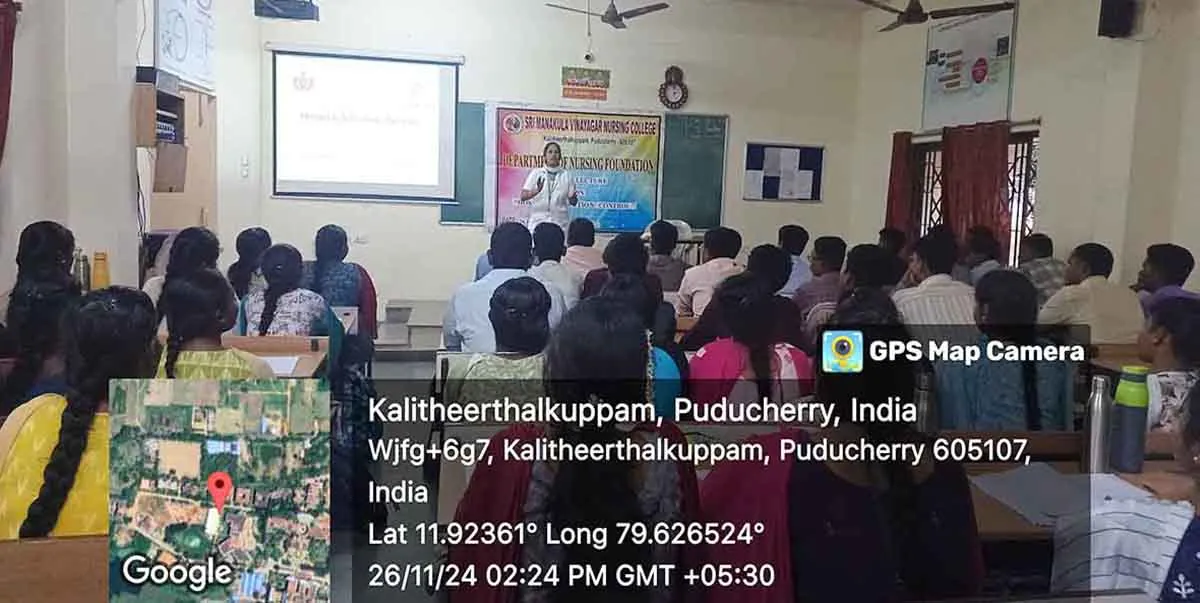
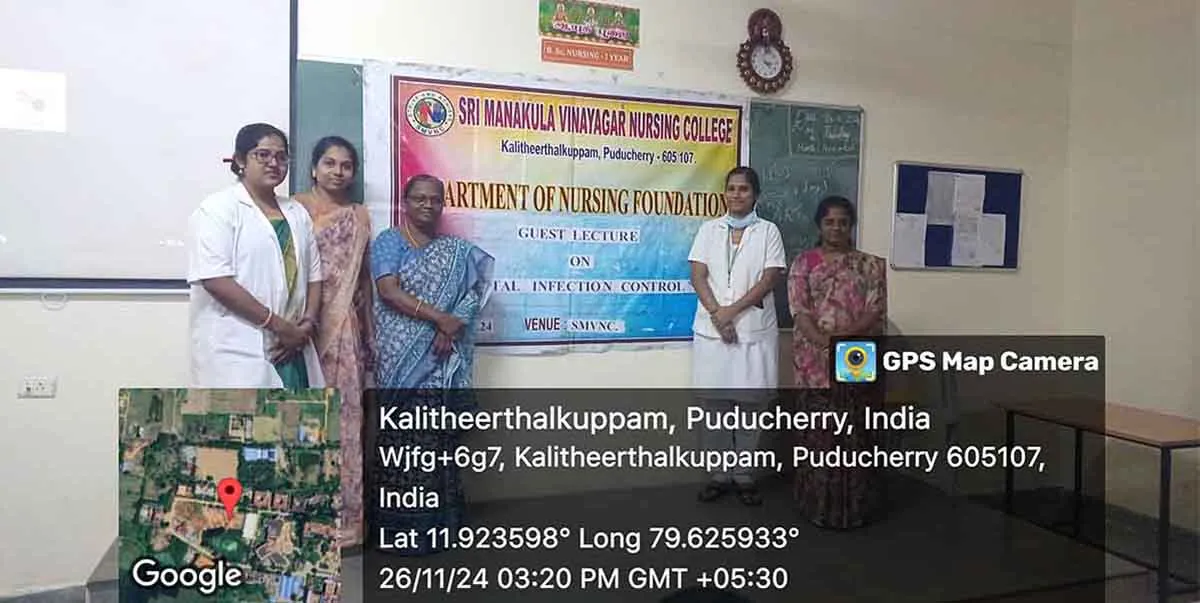
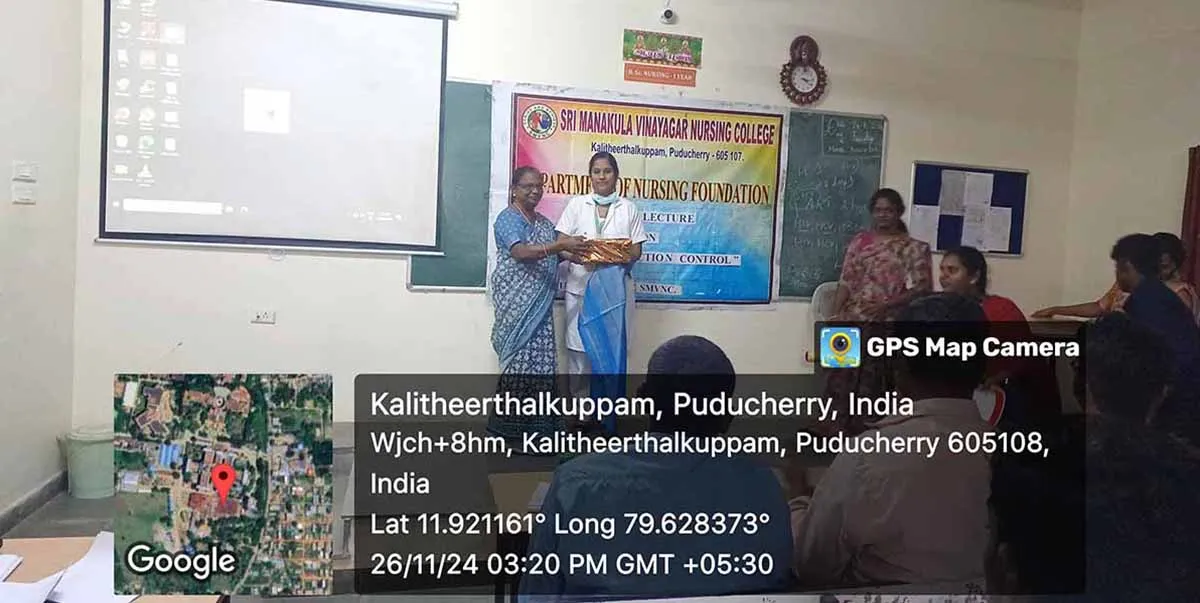
A “Guest Lecture on Hospital Infection Control” was conducted on 26th November 2024 at Lecture Hall I, SMVNC. Mrs. Mohana M., Assistant Nursing Superintendent and Infection Control Nurse, SMVMCH, served as the resource person. Benefited B.Sc. Nursing I-Year (I Semester) students.

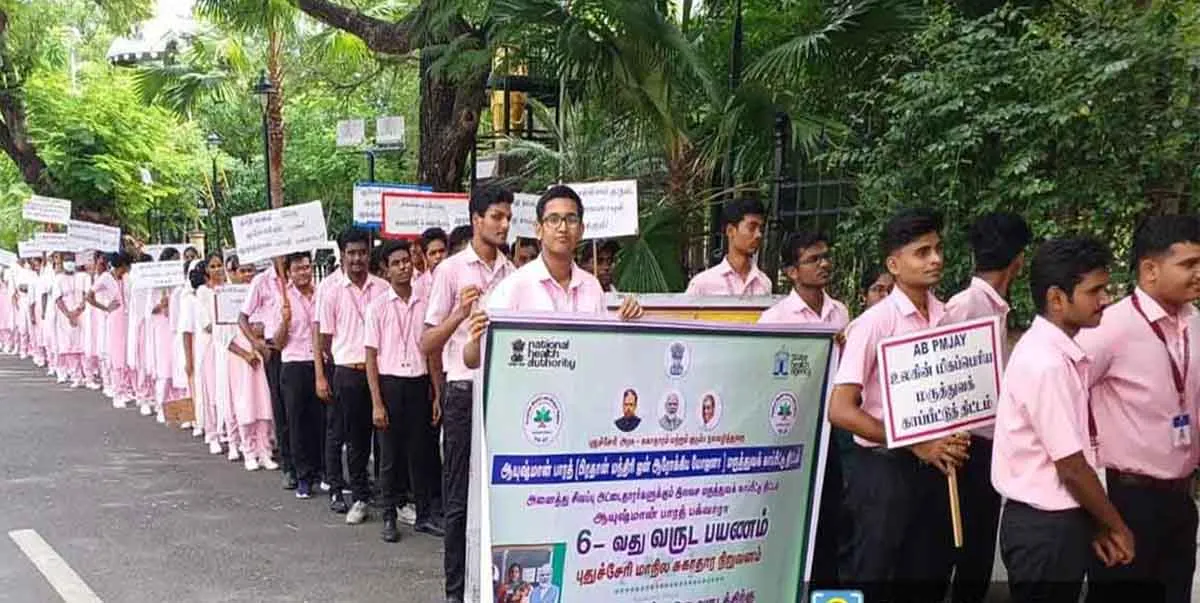
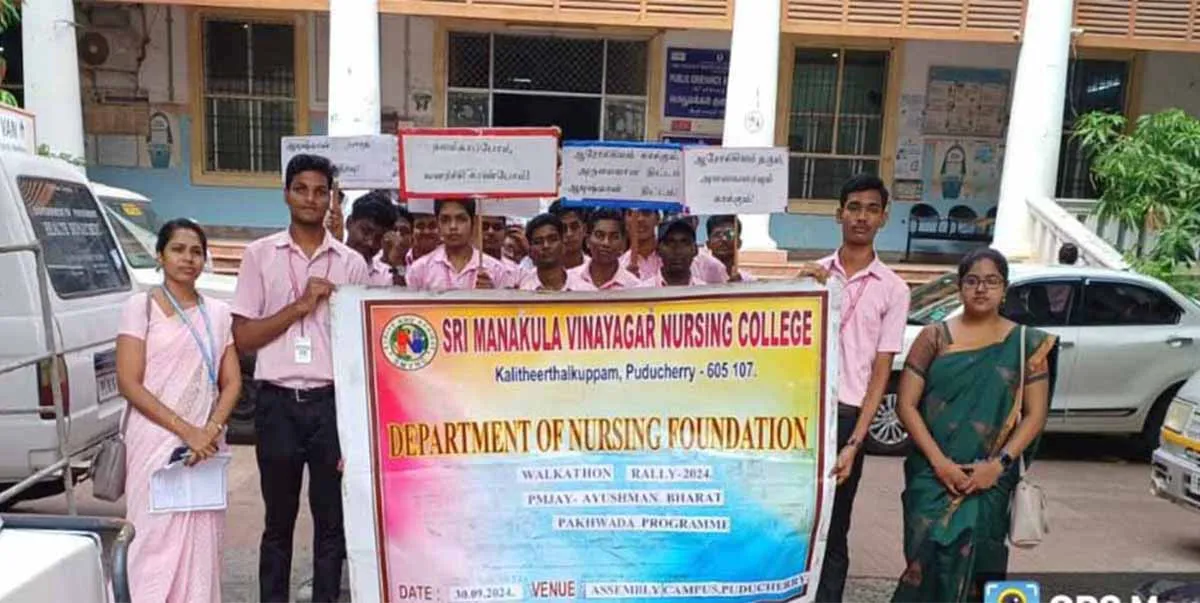
Participated in the Walkathon Rally on “PMJAY – Ayushman Bharat Pakhwada Programme” held on 30.09.2024 at the Assembly Campus. The event was inaugurated by Mr. N. Rangasamy and organized by the Ministry of Family and Welfare, Government of Puducherry. B.Sc. Nursing I Year (II Semester) students actively took part in the rally. Around 450 individuals benefited from the event.

Participated in the Walkathon Rally on “PMJAY – Ayushman Bharat Pakhwada Programme” held on 30.09.2024 at the Assembly Campus. The event was inaugurated by Mr. N. Rangasamy and organized by the Ministry of Family and Welfare, Government of Puducherry. B.Sc. Nursing I Year (II Semester) students actively took part in the rally. Around 450 individuals benefited from the event.

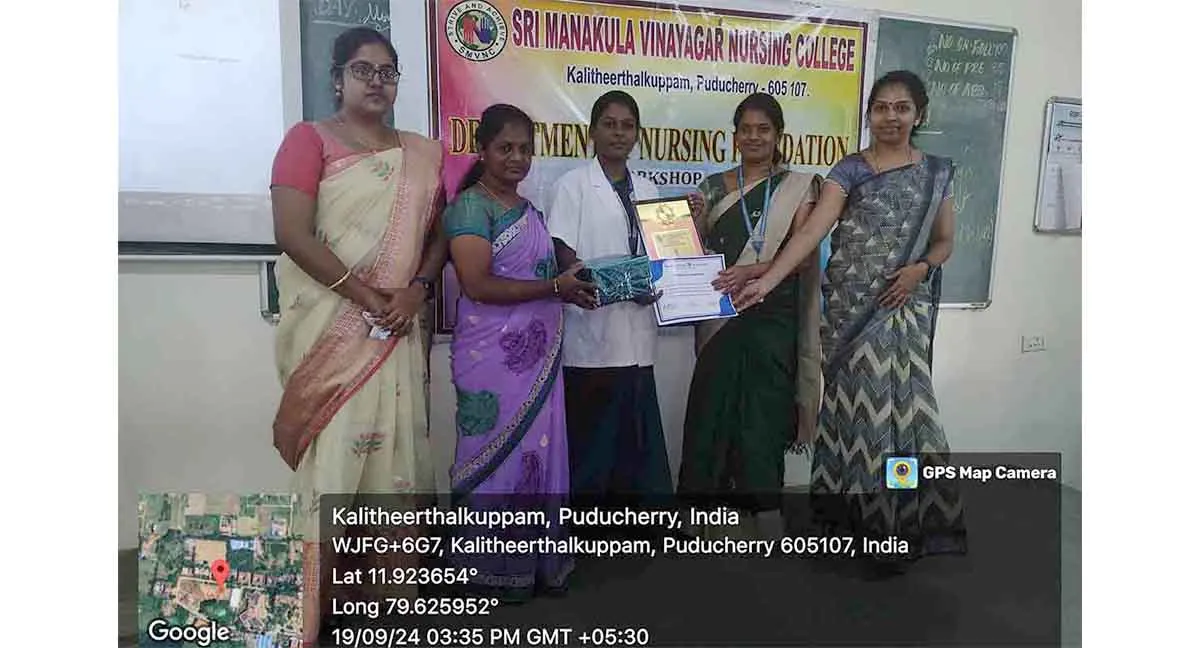
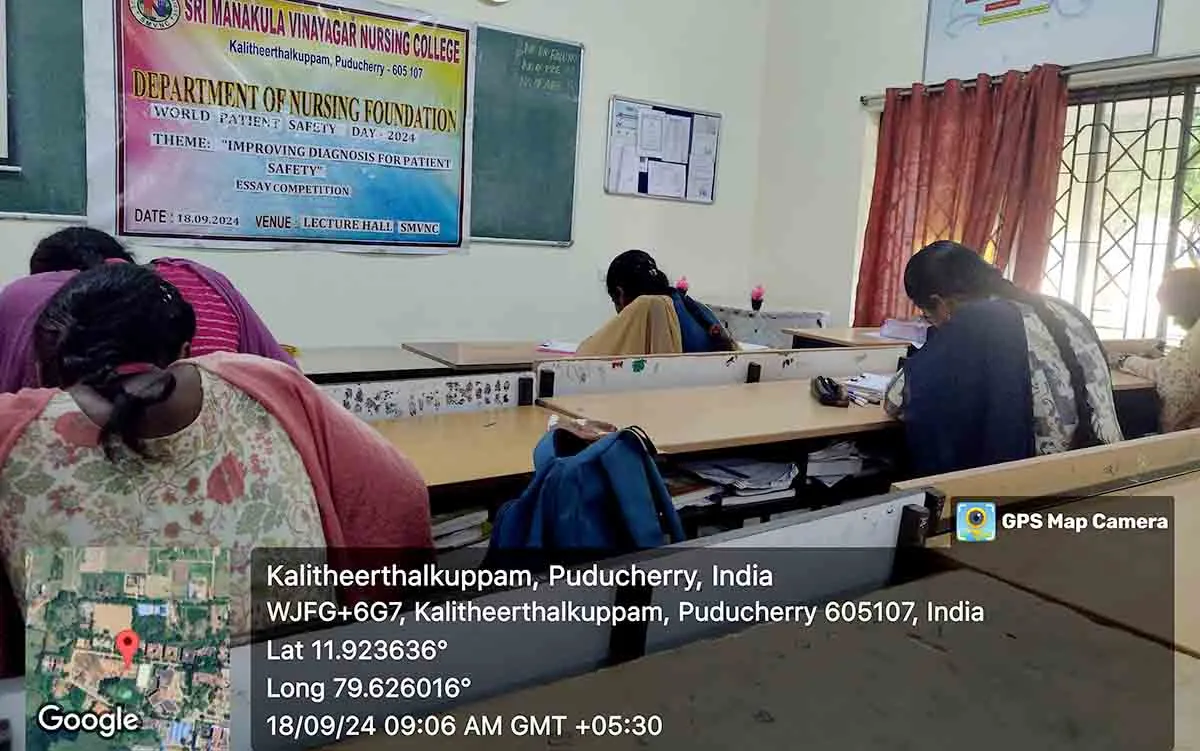
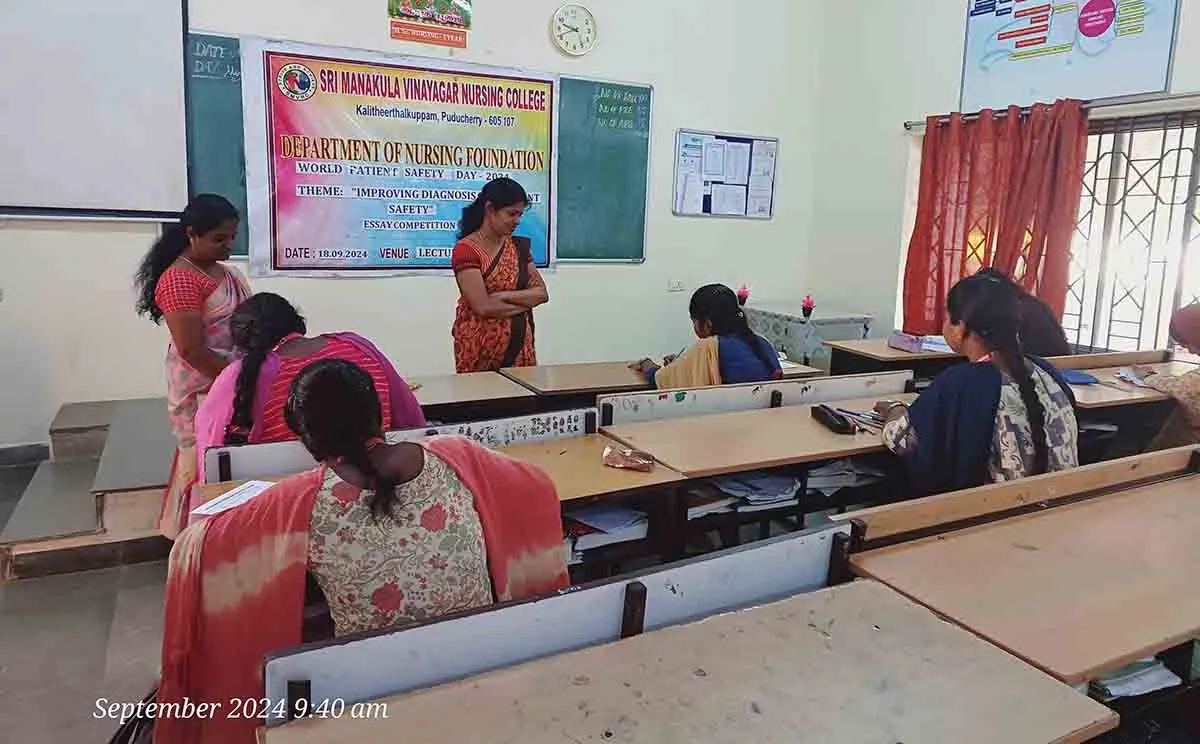
The “World Patient Safety Day” was celebrated on 18th September 2024, under the theme “Improving Diagnosis for Patient Safety.” An essay competition was conducted at the Lecture Hall-I, SMVNC. Benefited B.Sc., Nursing I Year (II Semester) 96 students.
A “Simulation Training Program” on 13th to 16th July 2024. Organized by SMVMCH experts, the training focused on procedures like urinary catheter insertion and care, oxygen therapy, perineal care, meatal care and IV infusion. B.Sc. (N) I Year (II Semester) 96 students benefited from hands-on learning.

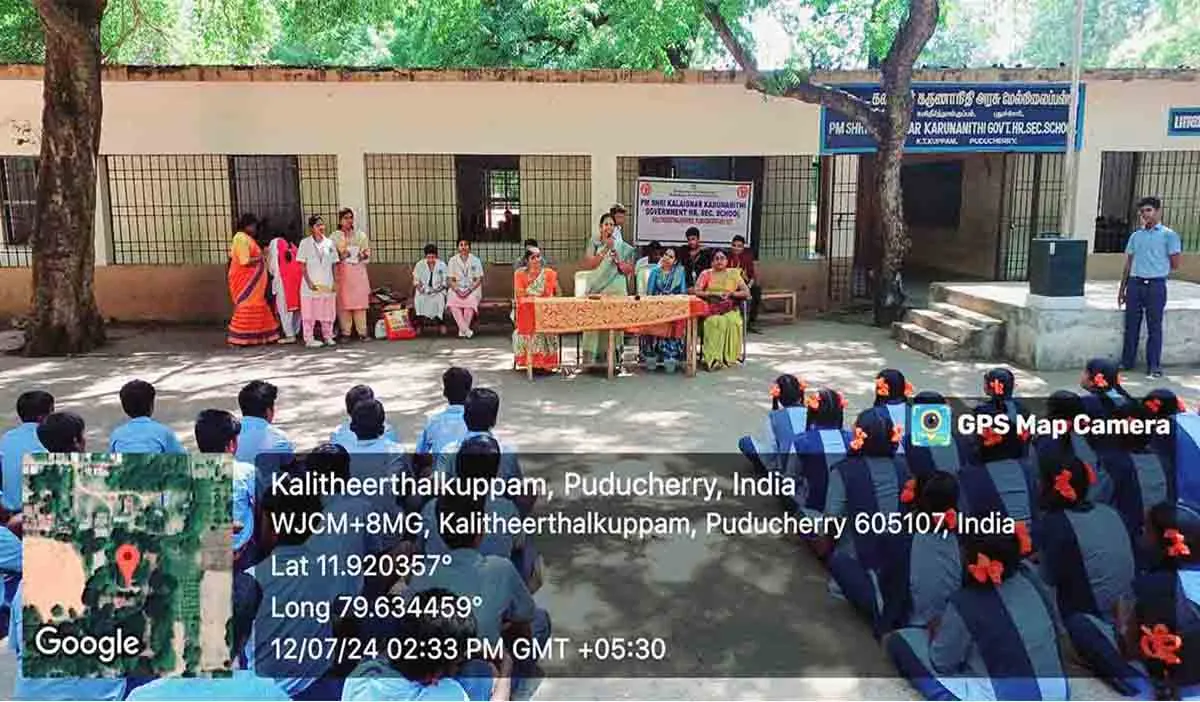
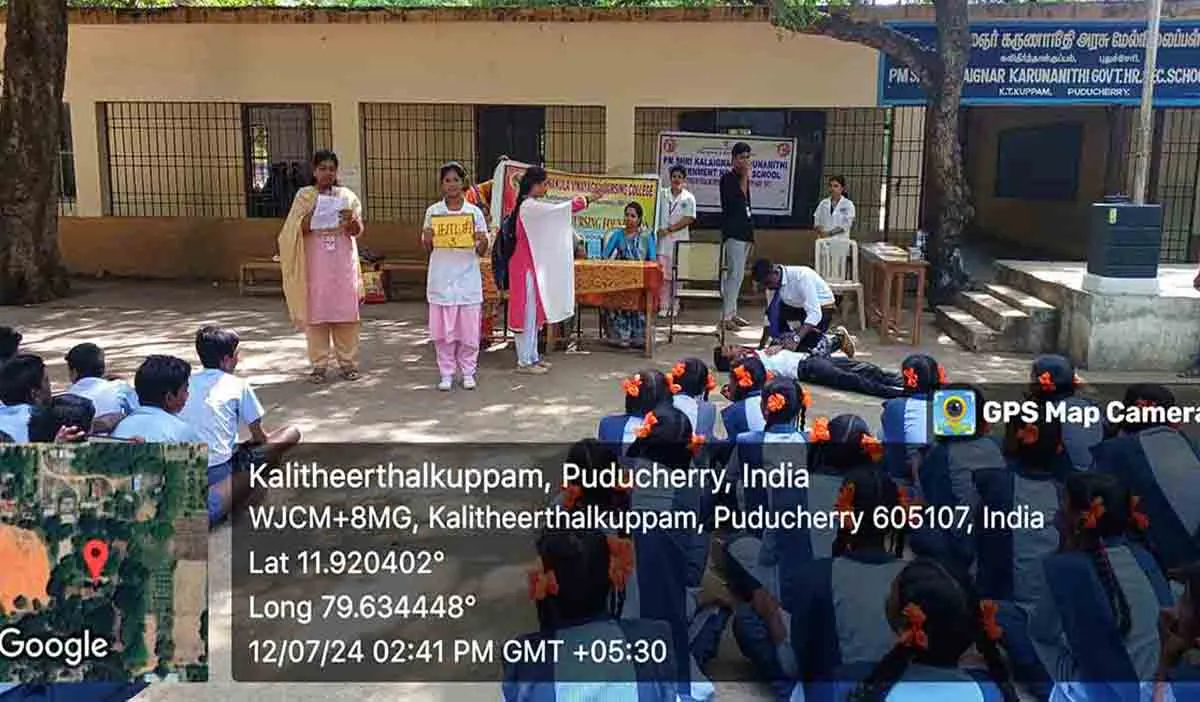
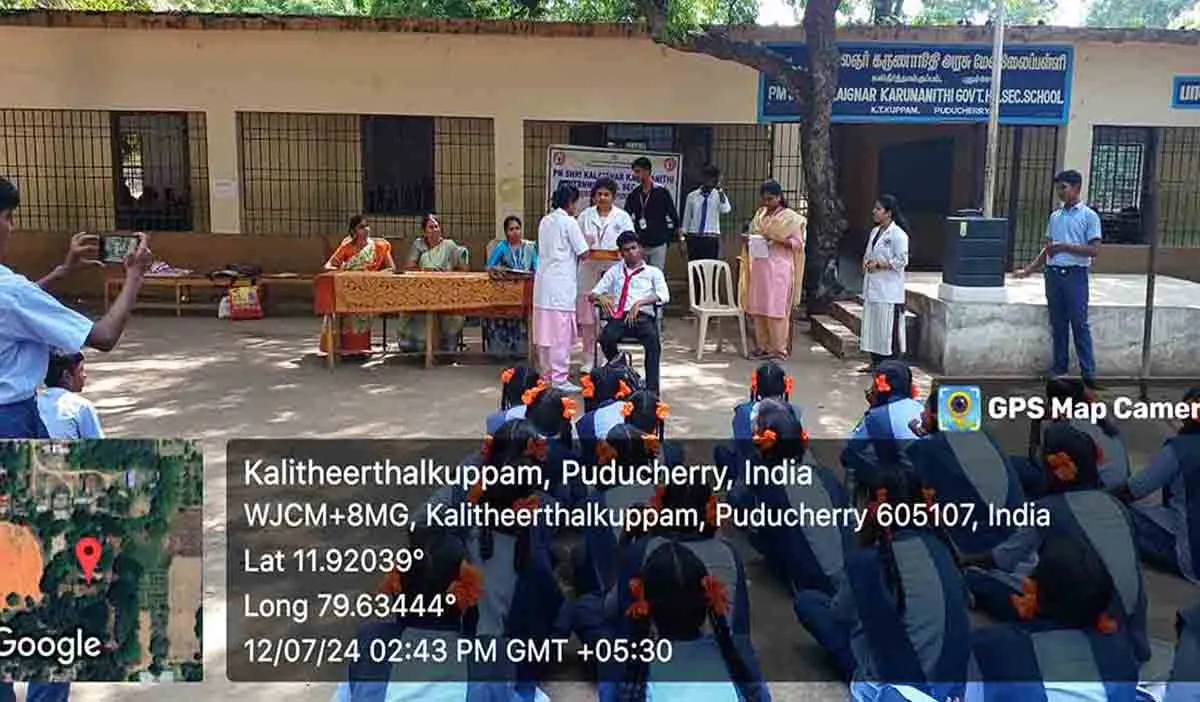
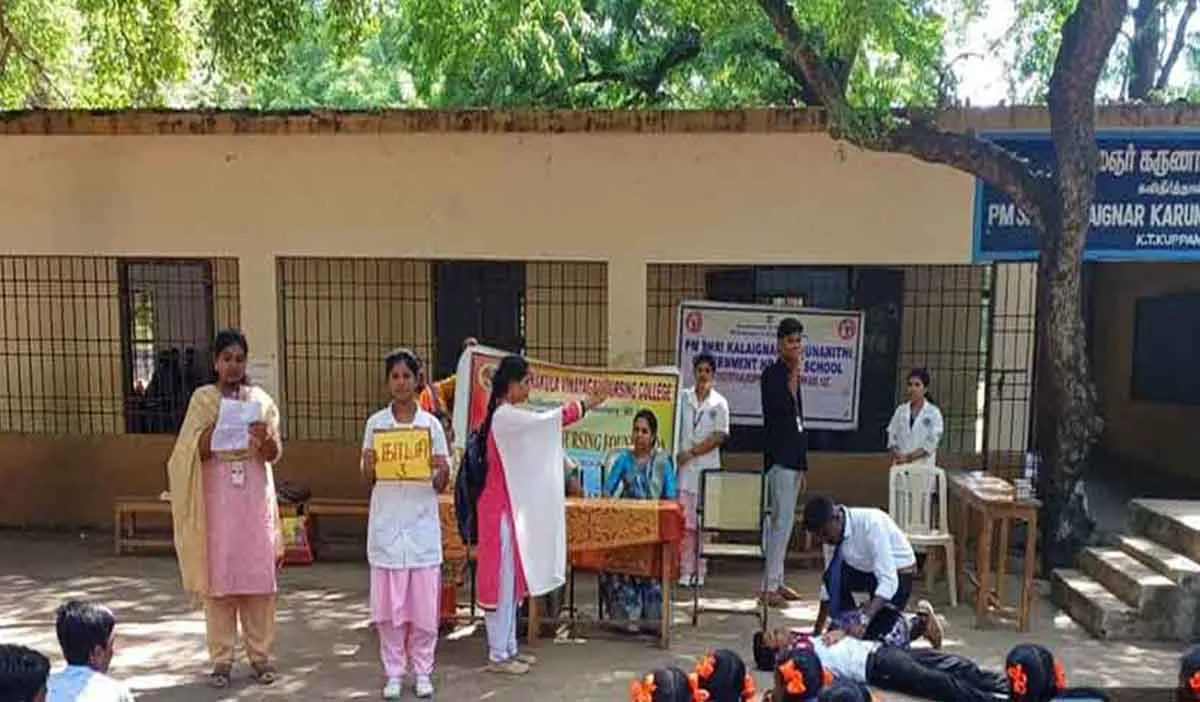
A School Health Programme was conducted on “First Aid Management (Road Traffic Accident)” on 12th July 2024. B.Sc. Nursing I-Year (II Semester) students performed a Role play at Kalaignar Karunanidhi Government Higher Secondary School, Madagadipet. The session benefited 103 students, 30 teachers, and 25 staff members.

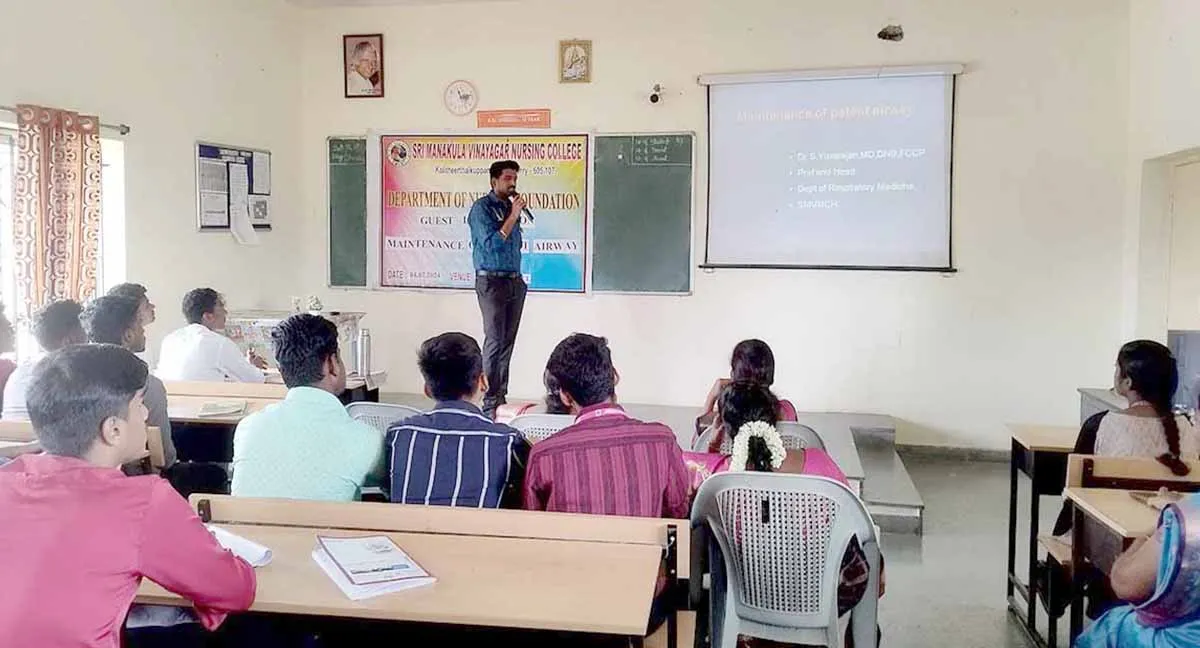
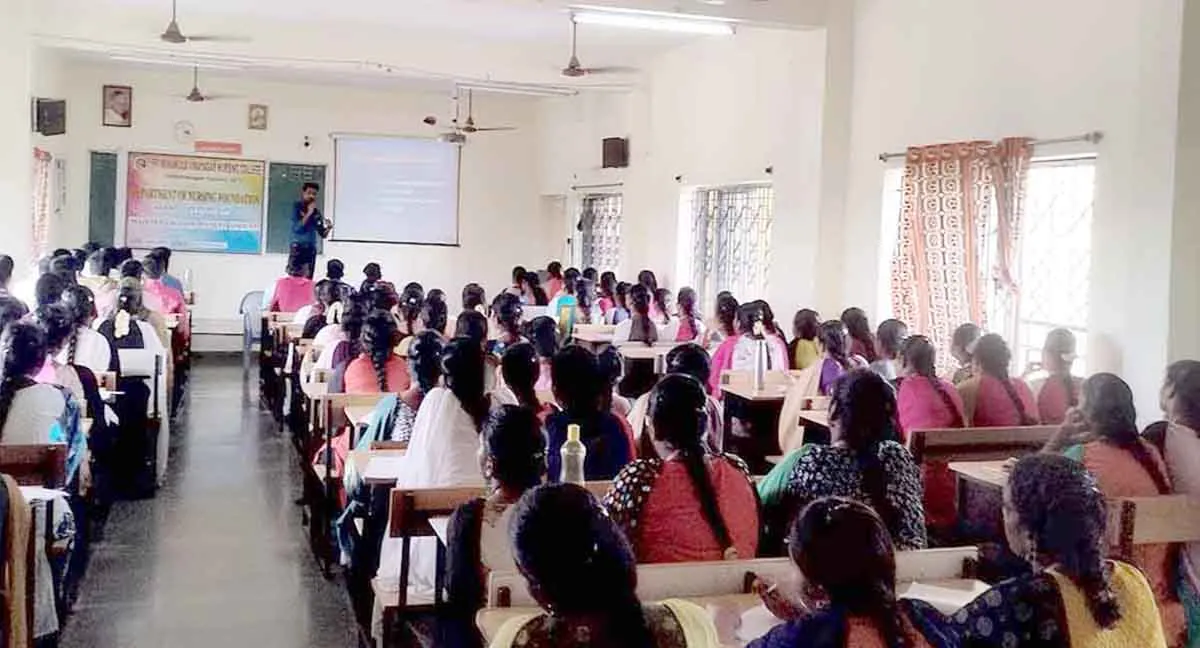
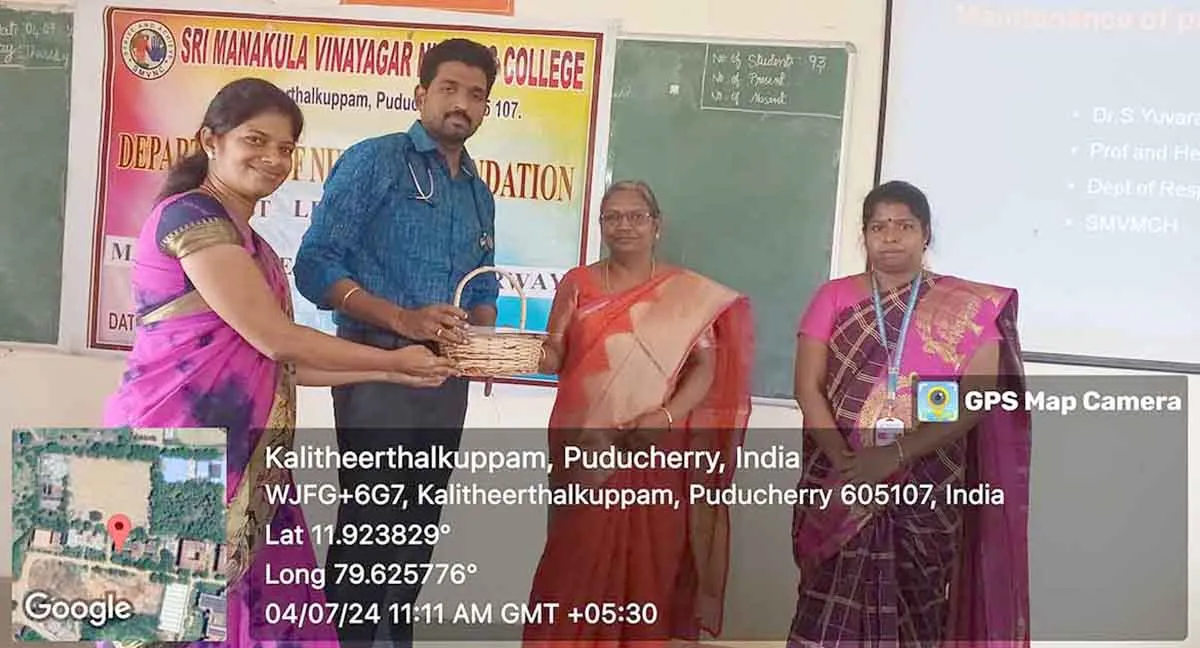
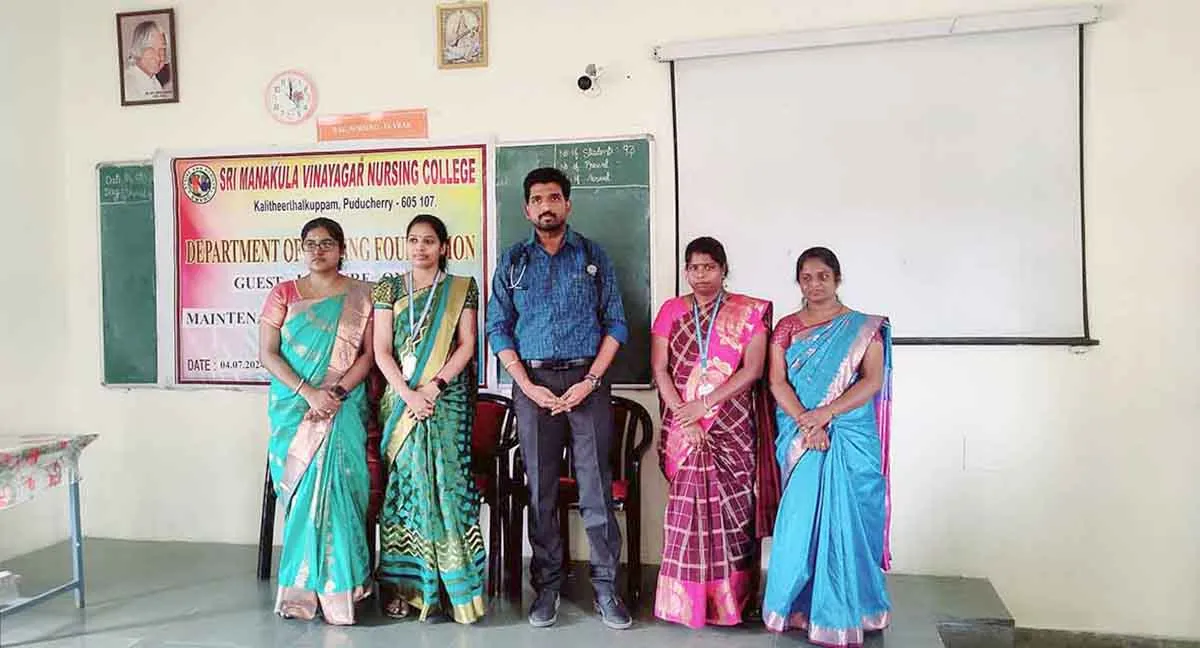
A “Guest Lecture on Maintenance of Patent Airway – 2024” conducted on 4th July at 10.00 am. Dr. Yuvarajan, Professor & HOD, Respiratory Medicine, SMVMCH, delivered the session at Lecture Hall IV, Benefited B.Sc. (N) I Year (II Semester) students and faculties.

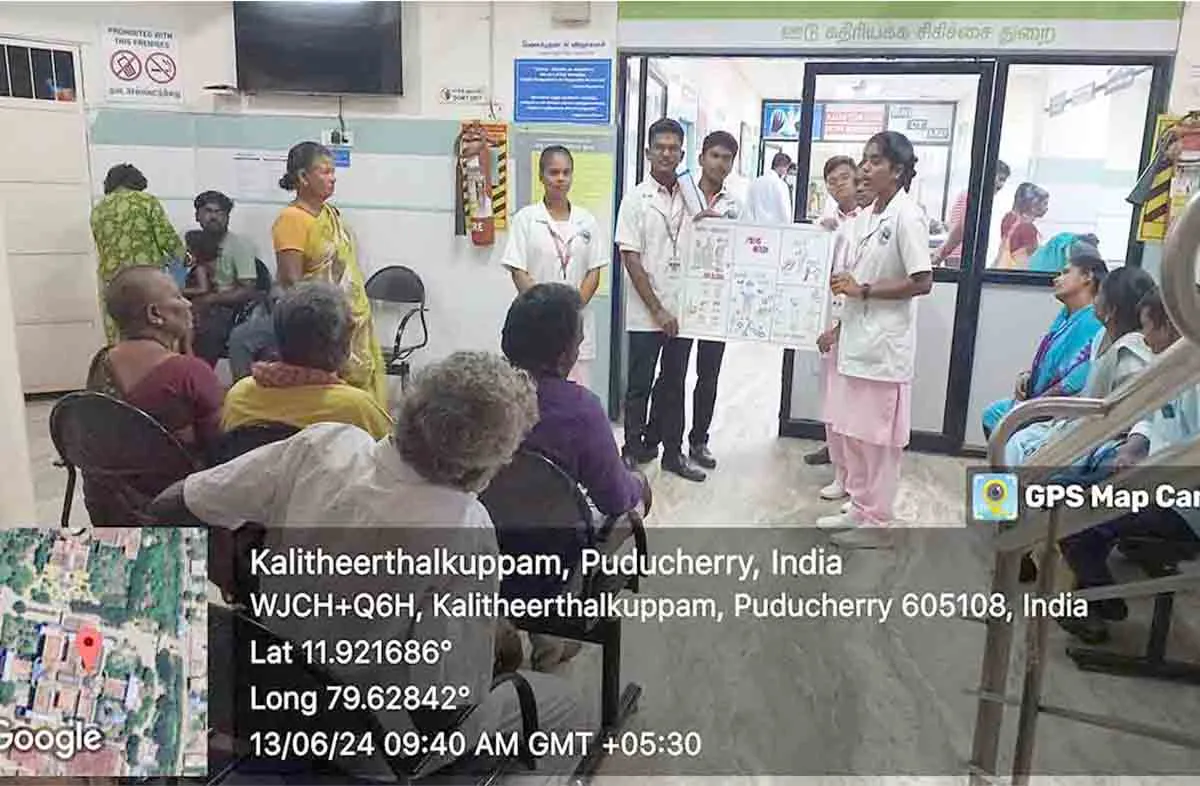
Celebrated “International Men’s Health Week – 2024” from 12th to 14th June, 2024 under the theme “Stronger Together.” A Mass Health Education Campaign was conducted at SMVMCH OPDs, focusing on men’s health issues and prevention. B.Sc. Nursing I-Year (II Semester) students actively participated, and benefited over 150 individuals daily.

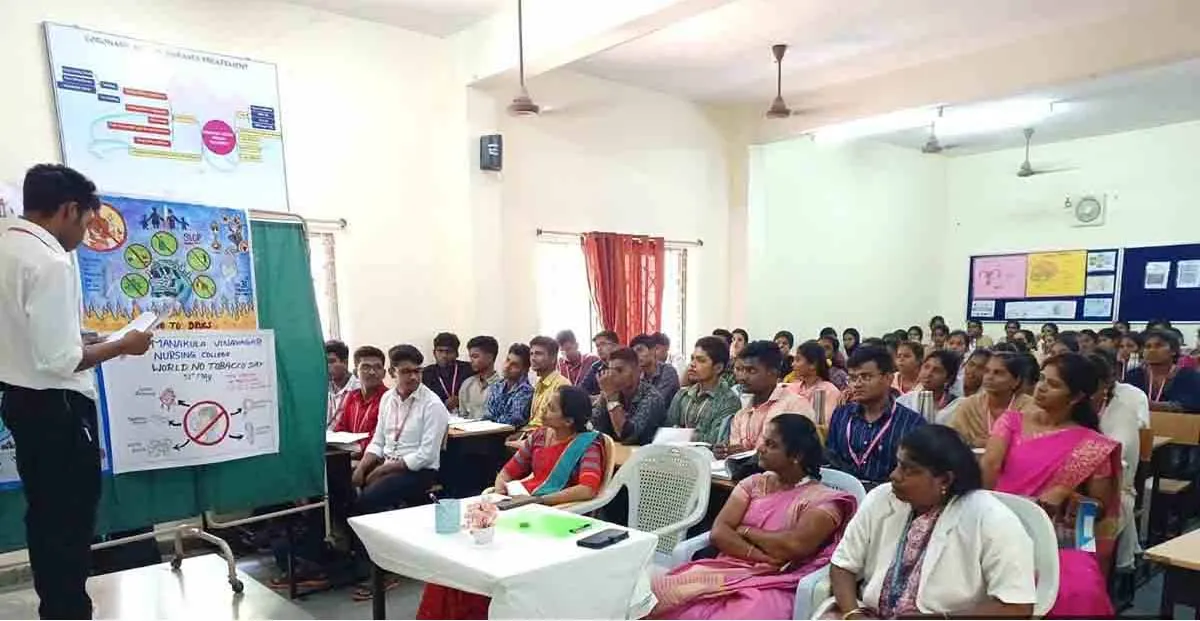
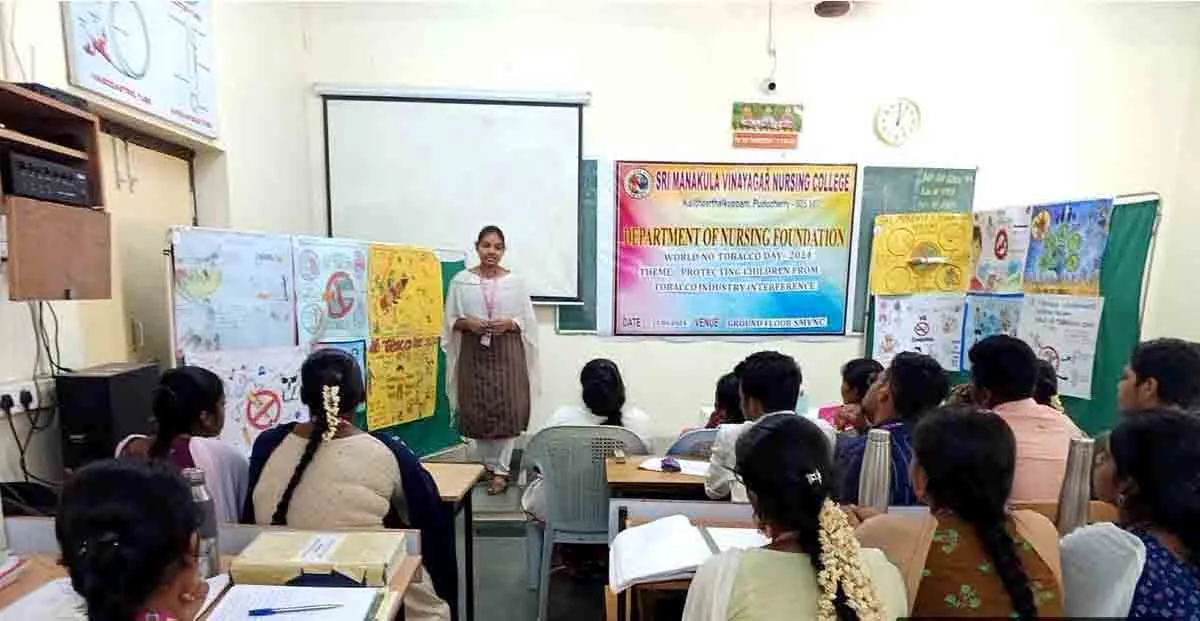
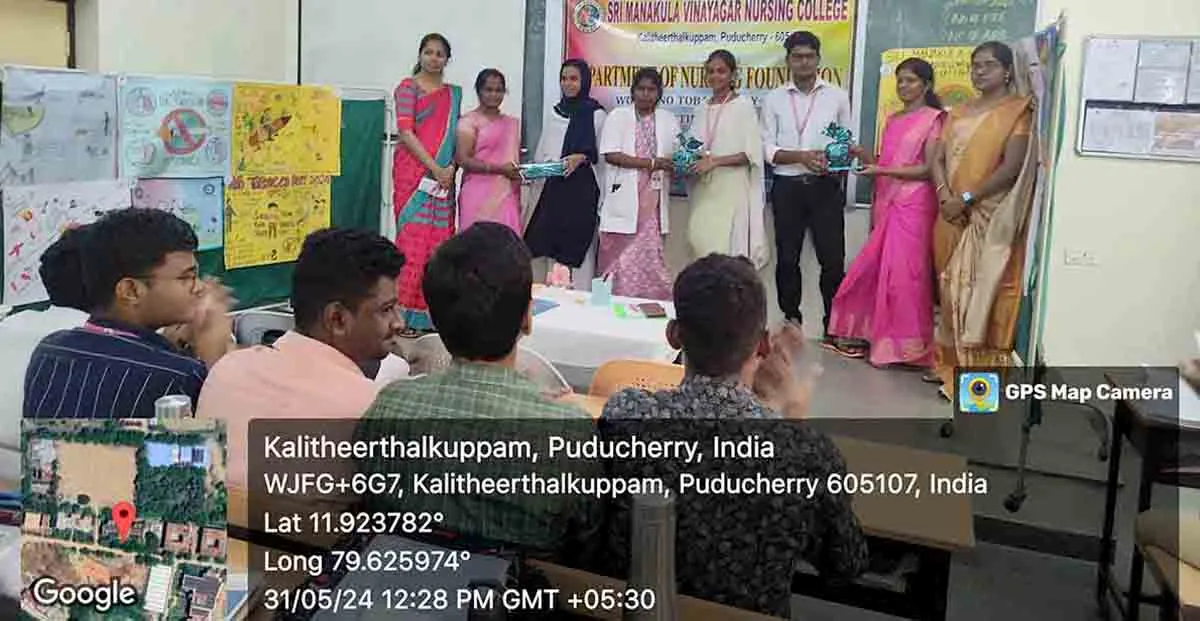
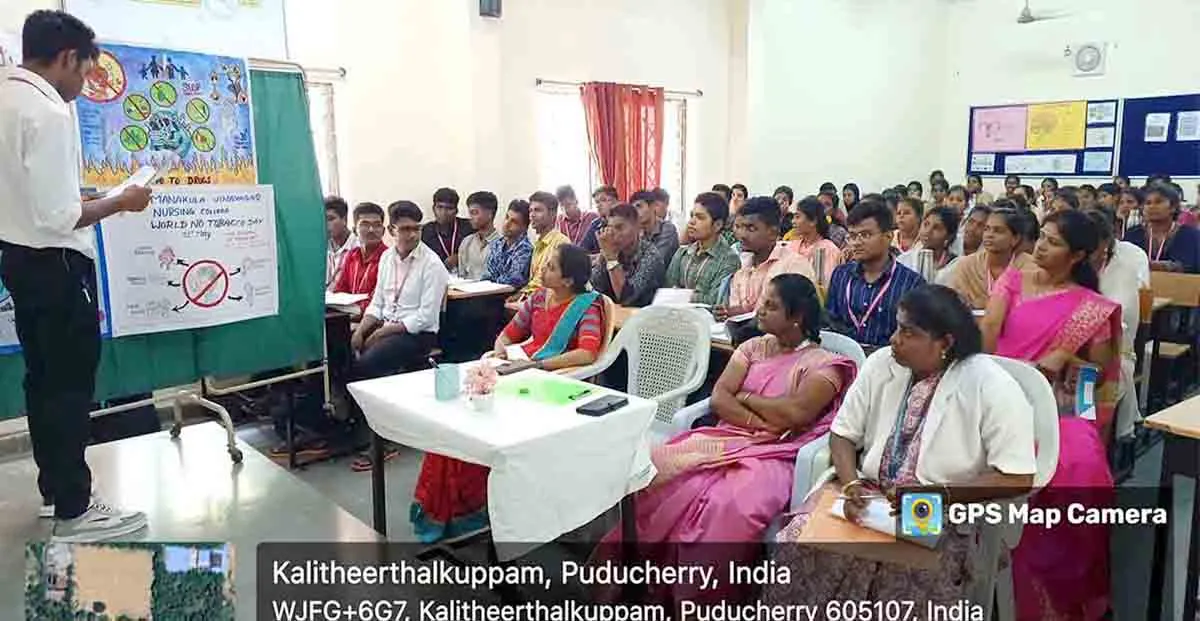
The “World No Tobacco Day” celebrated on 31st May 2024 under the theme “Protecting Children from Tobacco Industry Interference.” A poster competition was organized at Lecture Hall-I, with active participation from B.Sc. Nursing I-Year (II Semester) 98 students.
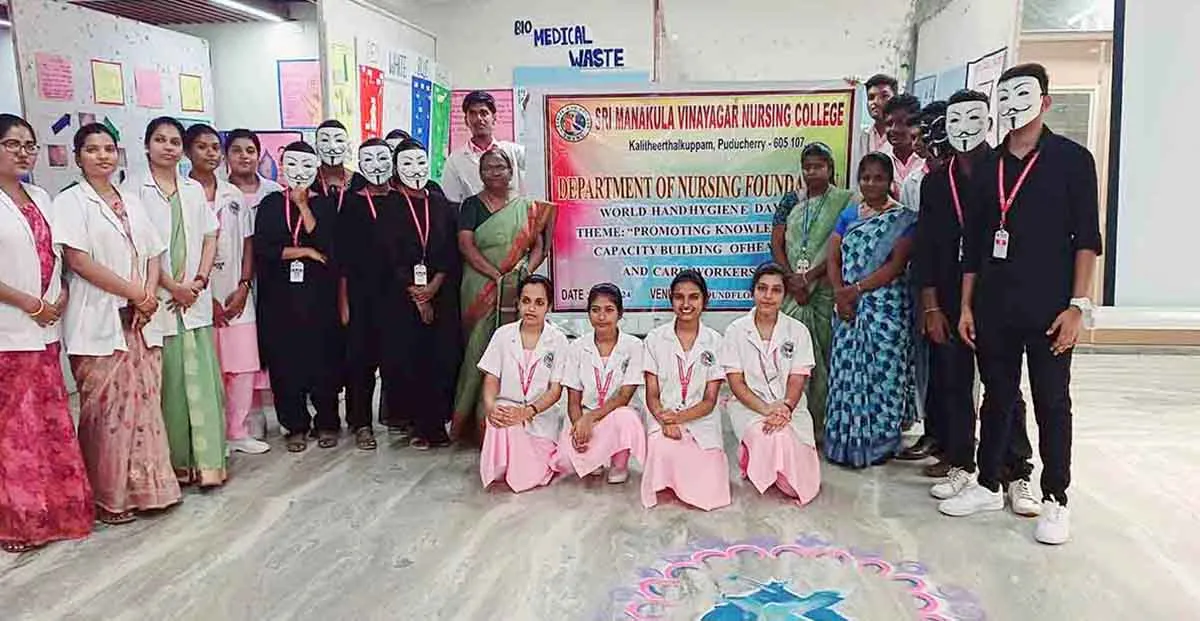
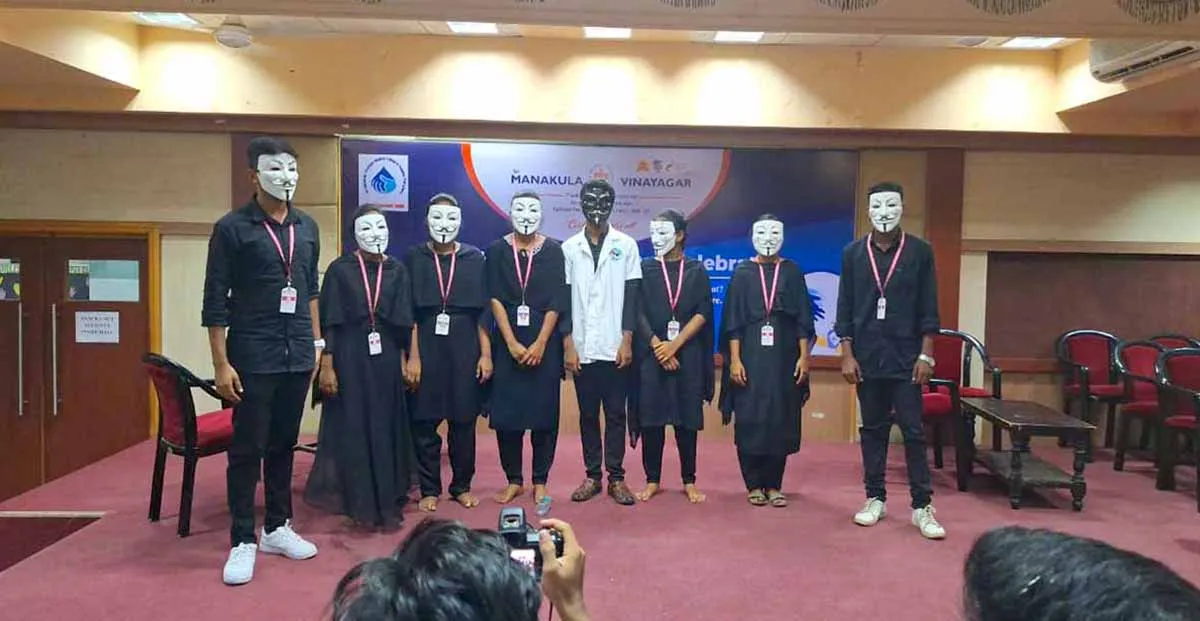
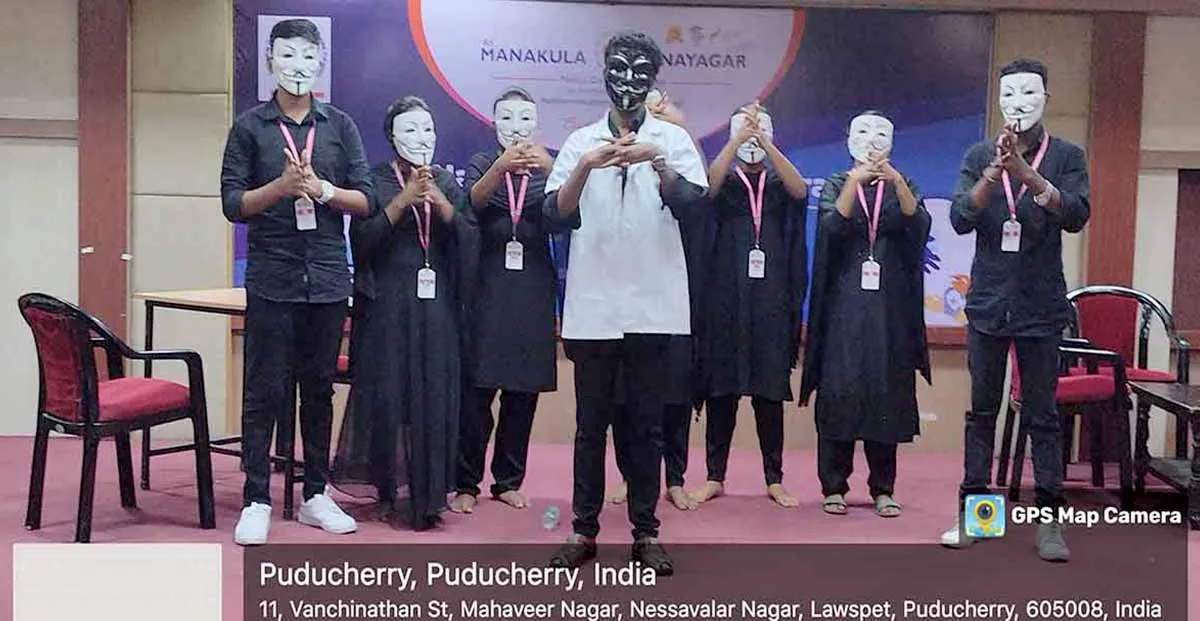
The “World Hand Hygiene Day” Celebrated on 7th May 2024 under the theme “Promoting Knowledge and Capacity Building of Health and Care Workers.” A mime show was performed by B.Sc. Nursing I-Year (II Semester) students at the Basement Auditorium, SMVMCH. The event educated 250 nursing officers, 25 sanitary workers, and 25 healthcare staff.
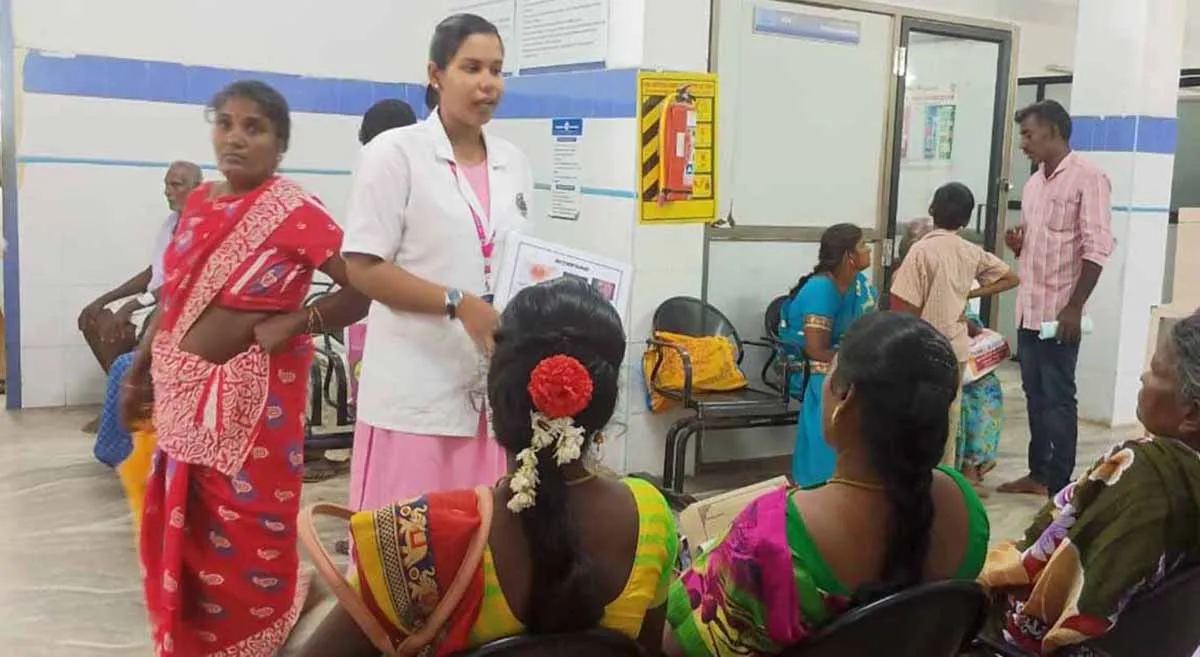
The “World Day of Safety and Health at Work ” celebrated on 28th April at SMVMCH OPDs. A Mass Health Education program was organized by B.Sc. Nursing II-Year (III Semester) students under the theme “Ensuring Safety and Health at Work in a Changing Climate.” Benefited around 150 OPD patients.

Admission Enquiry

Fill out the form below, and we will be in touch shortly.

+91

I agree to receive the admission related messages.